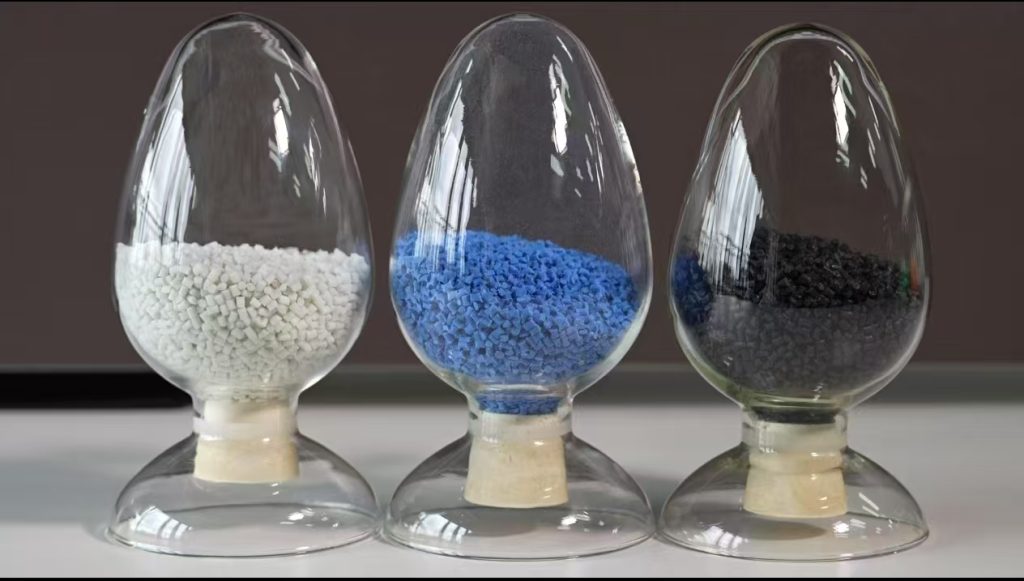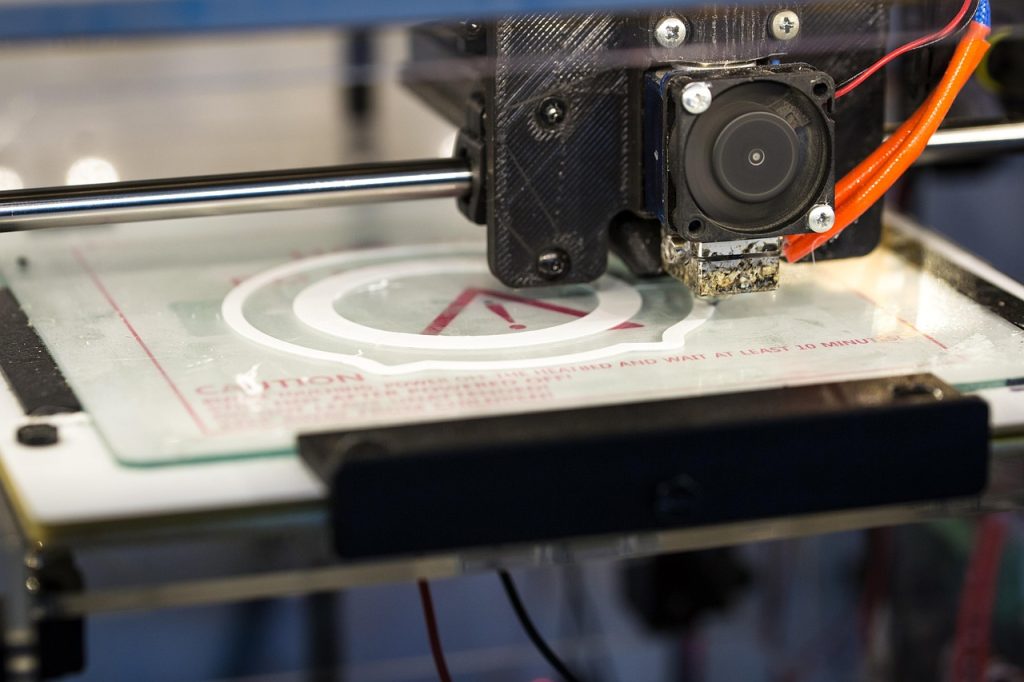
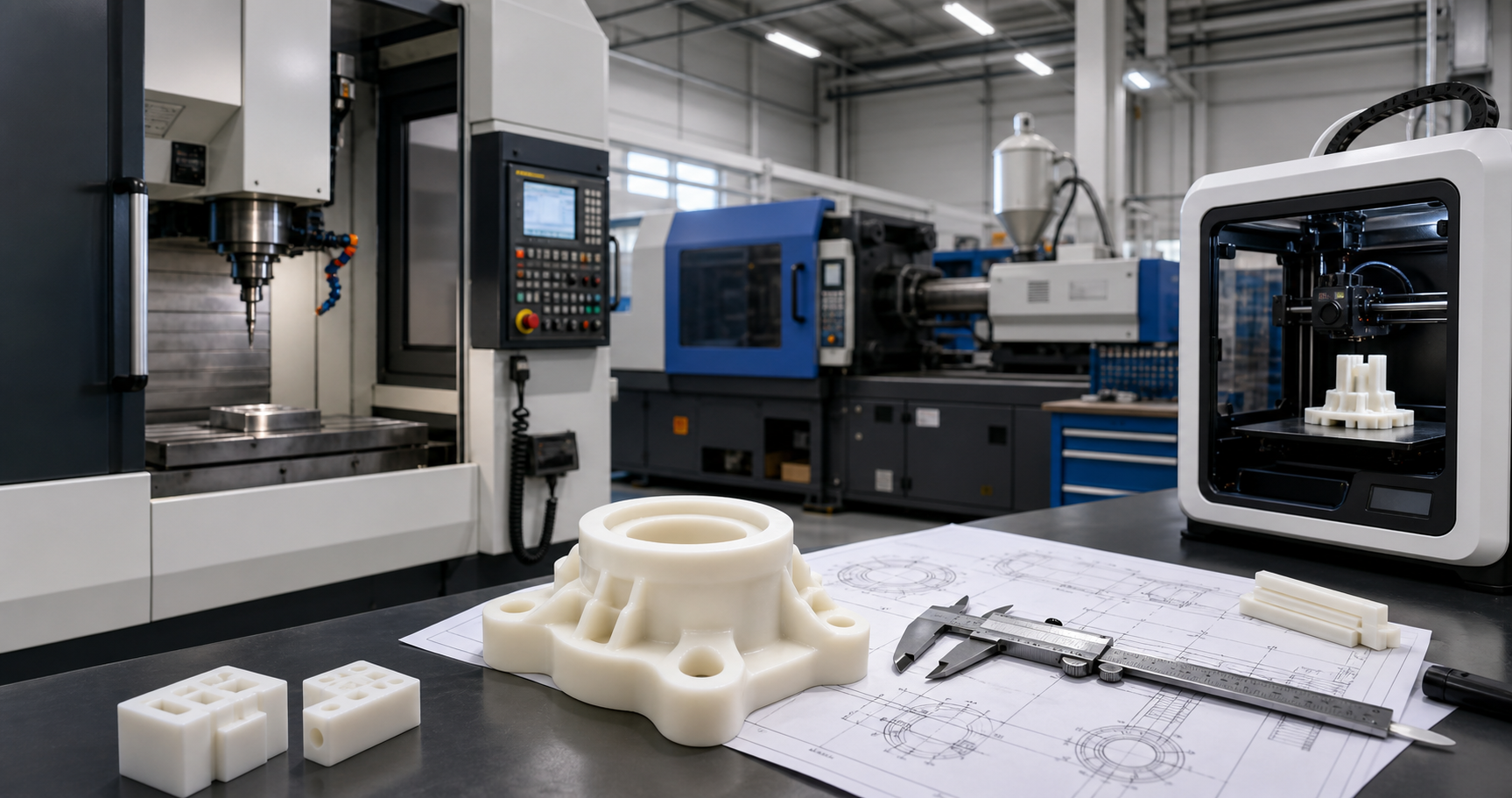
Servicios de fabricación de nailon Se utilizan cuando los compradores necesitan piezas funcionales de nailon sin tener que adivinar cuál es el proceso más adecuado. La opción más adecuada puede ser el mecanizado CNC, el moldeo por inyección o la impresión 3D, dependiendo del volumen, la tolerancia, la geometría y los requisitos de superficie.
Esta guía ayuda a los compradores B2B a comparar las opciones de fabricación con nailon, a elegir el tipo de nailon adecuado y a preparar una solicitud de presupuesto completa. Está pensada para la planificación de prototipos, series cortas y producción, y no para proyectos de aficionado.
De un vistazo
| Ámbito de decisión | La mejor opción | Comprobación del comprador |
|---|---|---|
| Volumen reducido | Mecanizado CNC o impresión 3D | Confirma las tolerancias y la cantidad antes de elaborar el presupuesto |
| Volumen estable | Moldeo por inyección | Comprobar el coste de las herramientas y la selección de materiales |
| Geometría compleja | Impresión 3D o mecanizado CNC a partir de piezas en stock | Revisión del soporte, espesor de la pared y posprocesamiento |
| Piezas sujetas a desgaste o carga | PA6, PA66, PA12 o nailon reforzado | Adapta la calidad del producto a las necesidades de humedad, calor y rigidez |
| La mejor forma de rellenar una solicitud de presupuesto | Dibujo, cantidad, caso de uso, entorno | Envía los requisitos funcionales, no solo el archivo CAD. |
¿Qué proceso de fabricación de nailon deberías utilizar?
El mecanizado CNC suele ser la opción más rápida para prototipos, lotes pequeños y piezas que requieren una gran precisión en los orificios, las roscas o la planitud. El moldeo por inyección es más adecuado cuando la geometría es estable y el volumen anual justifica la inversión en utillaje. La impresión 3D resulta útil para iteraciones rápidas, formas complejas y piezas funcionales de tiradas cortas.
Selección de materiales para piezas de nailon
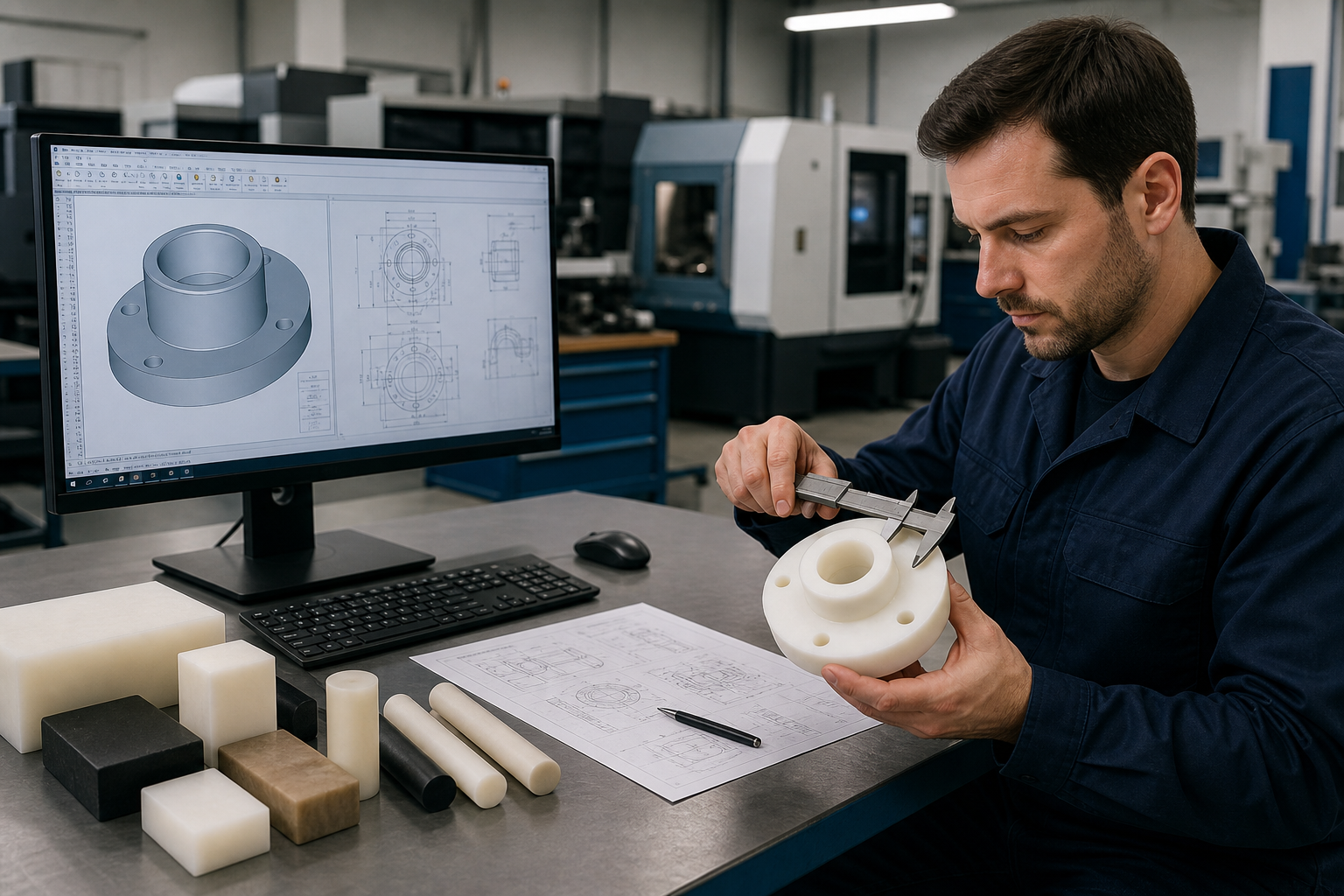
La mayoría de los proyectos de fabricación con nailon comienzan con la elección entre PA6, PA66 y PA12. El PA6 y el PA66 se utilizan habitualmente por su resistencia mecánica y a la abrasión. El PA12 suele elegirse cuando es más importante que la absorción de humedad sea menor y que la estabilidad dimensional sea mayor.
- PA6: buena tenacidad y un rendimiento versátil.
- PA66: un perfil de resistencia al calor y rigidez superior para muchas piezas moldeadas.
- PA12: mayor estabilidad en entornos húmedos o con condiciones variables.
- Nailon relleno: mayor rigidez, pero mayor sensibilidad al proceso.
Problemas habituales y soluciones prácticas
| Problema | Causa probable | Solución práctica |
|---|---|---|
| Deformaciones parciales | Proceso incorrecto o control inadecuado de la humedad | Revisar el grado, la orientación y el secado |
| Desviación de la tolerancia | Cambios debidos a la humedad, el calor o el posprocesamiento | Definir las condiciones de inspección y los requisitos de ajuste |
| Cita destacada | Proceso seleccionado antes de la revisión de funciones | Solicita una comparación entre CNC, moldeado e impresión |
| Defectos superficiales | Ajustes incorrectos de la máquina o elección inadecuada del material | Especifica desde el principio el objetivo final y el caso de uso |
Lista de comprobación para solicitudes de presupuesto
| Enviar esto | Por qué es importante |
|---|---|
| Archivo STEP y plano en 2D | Facilita la revisión de la fabricabilidad y las tolerancias |
| Plan de cantidades y reposición | Ayuda a elegir entre CNC, moldeado e impresión |
| Requisitos de material | Evita que se indique un tipo de nailon incorrecto |
| Dimensiones críticas | Centra la inspección en las características funcionales |
| Entorno de aplicación | Tiene en cuenta la humedad, el calor y el desgaste |
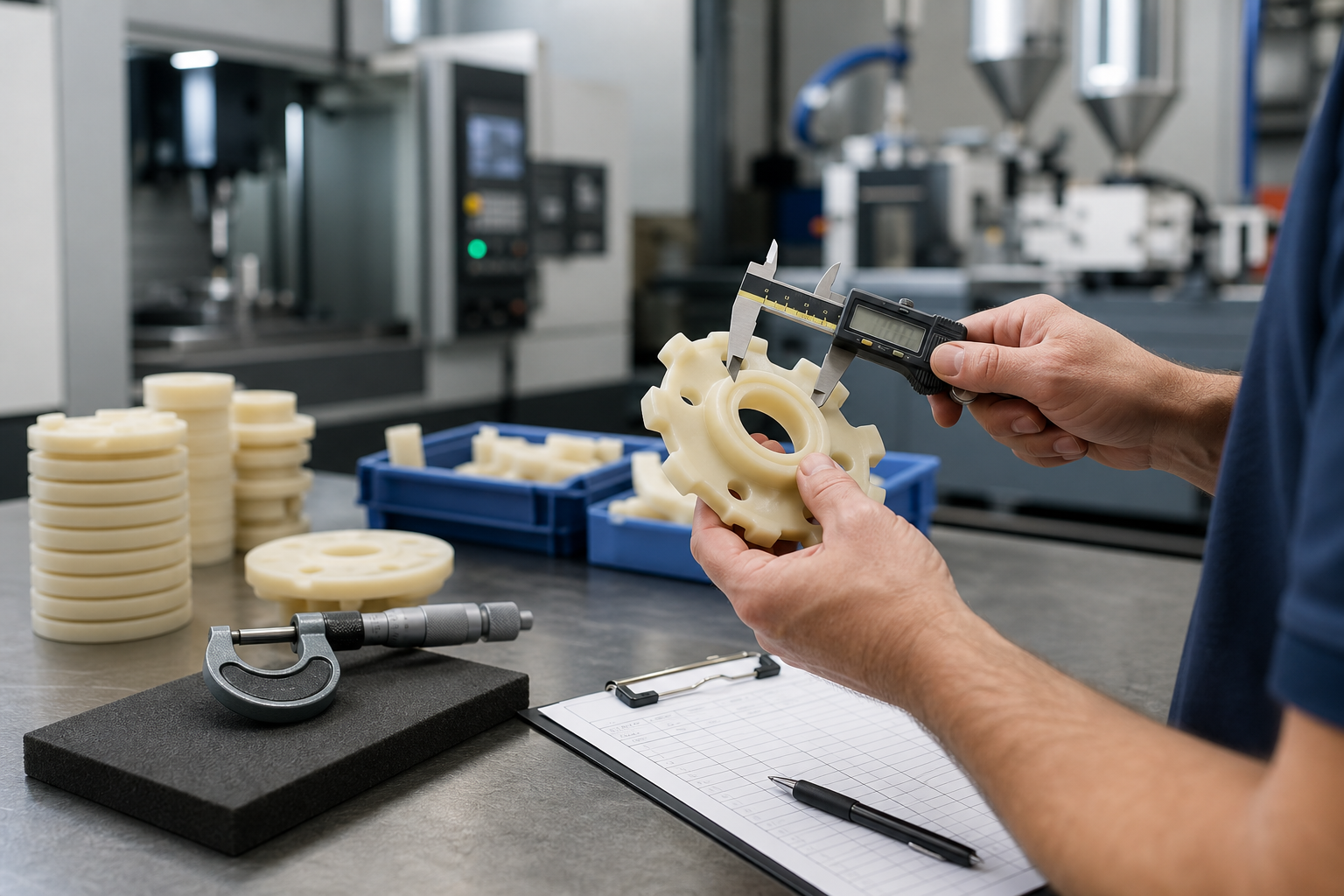
¿Por qué elegir el plástico de nailon?
Nylon Plastic ofrece apoyo en proyectos de fabricación de nailon en los que el cliente aún está valorando entre el mecanizado, el moldeado y la fabricación aditiva. En lugar de encasillar cada solicitud de presupuesto en un único proceso, analizamos la geometría, la cantidad, las tolerancias, los riesgos relacionados con el material y la fase de aprobación antes de recomendar una opción.
- Comparación de procesos: pantalla Mecanizado CNC de nailon, moldeo por inyección de nailon y Impresión 3D con nailon en lo que respecta al coste, el plazo de entrega y el riesgo funcional.
- Orientación sobre los materiales: Compara el PA6, el PA66, el PA12, el nailon fundido, el nailon reforzado con fibra de vidrio y los grados modificados en cuanto a su resistencia a la carga, al desgaste, al calor, a la humedad y a la exposición a sustancias químicas.
- Revisión de las solicitudes de presupuesto: Ayuda a aclarar los planos, las tolerancias, el acabado superficial, el color, la cantidad, los requisitos de inspección y las condiciones reales de funcionamiento antes de elaborar el presupuesto.
- Trayectoria de expansión: apoyar las decisiones relativas a los prototipos, las fases piloto y la producción, para que los compradores no paguen de más por el utillaje en una fase demasiado temprana ni se queden con los prototipos durante demasiado tiempo.
Esto resulta especialmente útil cuando el diseño es funcional, pero aún no está claro cuál será el proceso de fabricación.
Lecturas relacionadas
- Servicios de mecanizado CNC de nailon
- Servicios de moldeo por inyección de nailon
- Servicios de impresión 3D en plástico para piezas funcionales
Preguntas frecuentes
¿Qué se entiende por «servicios de fabricación de nailon»?
Significa utilizar el proceso más adecuado para fabricar piezas funcionales de nailon, incluyendo el mecanizado CNC, el moldeo por inyección o la impresión 3D.
¿Qué tipo de nailon debería elegir primero?
Empieza por el PA6, el PA66 o el PA12, en función de las necesidades de carga, humedad, temperatura y tolerancia. Los grados con relleno resultan útiles cuando el objetivo principal es la rigidez.
¿Es el nailon más adecuado para el mecanizado CNC o para el moldeo?
Ninguna de las dos opciones es siempre la mejor. El CNC suele ser más rápido para lotes pequeños y ajustes complejos, mientras que el moldeo es más adecuado para volúmenes estables y un coste unitario repetible.
¿Qué datos debo enviar para solicitar un presupuesto de fabricación de nailon?
Envíe el archivo CAD, el plano, la cantidad, los requisitos de calidad, las dimensiones críticas y las condiciones de uso final de la pieza.
Solicitar una revisión de la fabricación de nailon
Envíanos tu plano y los requisitos de material para que te proporcionemos una recomendación sobre el proceso y un presupuesto.