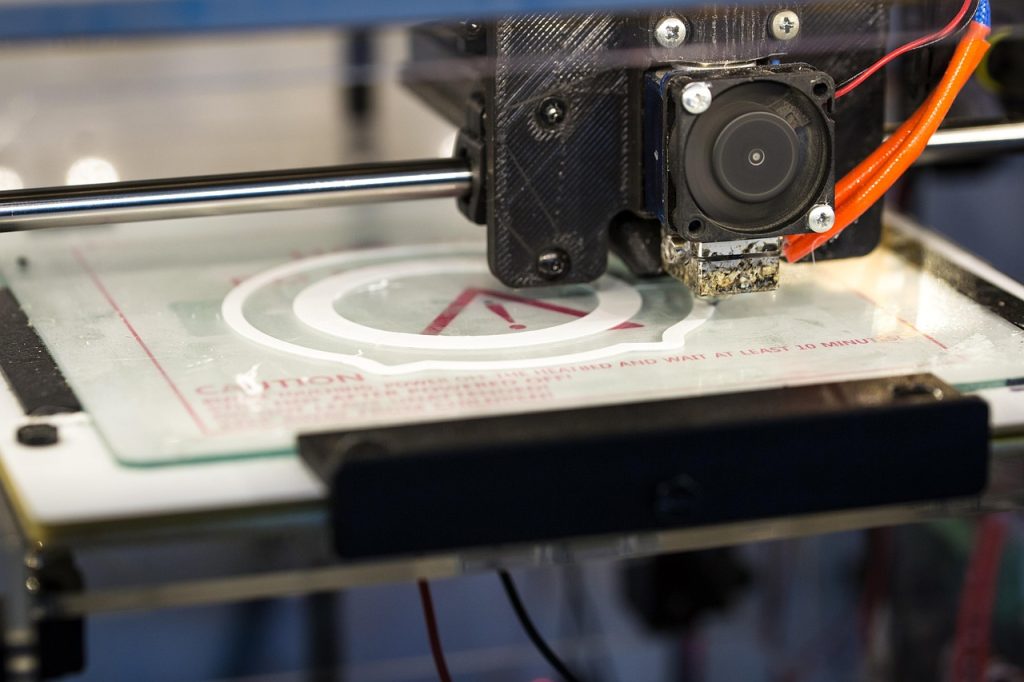
PLA+ vs PLA is a useful comparison when printability, stiffness, and heat resistance need to be balanced for the final part.
PLA+ Es un tema práctico de ingeniería cuando hay que comparar opciones, comprobar los límites y elegir un proceso que presente menos riesgos.
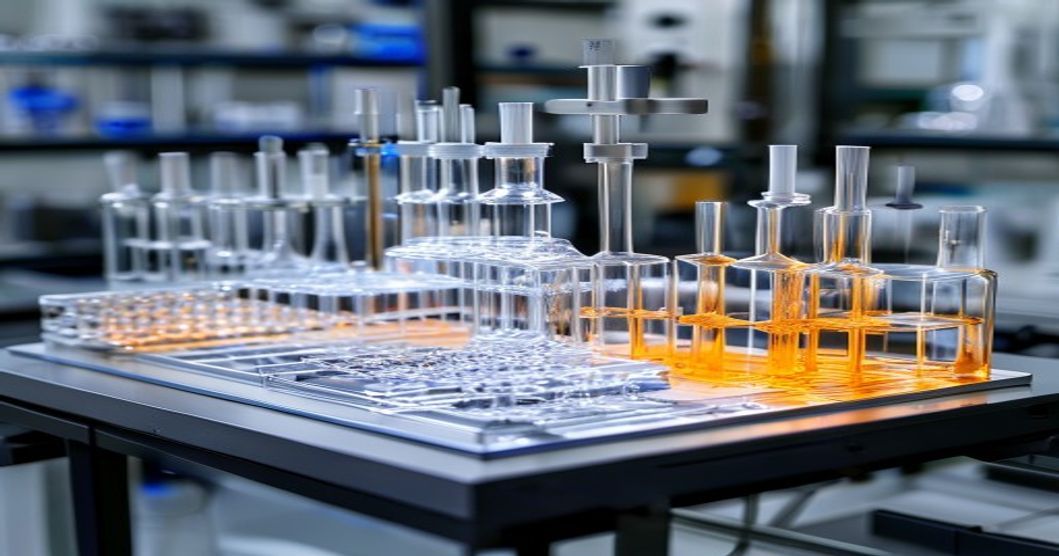
When engineers compare pla+ vs pla for real-world applications, they need more than anecdotal experience. They need quantified data on strength, thermal behavior, and print quality. This article provides a detailed, data-driven comparison of the mechanical and thermal properties that matter most for functional 3D printed parts.
PLA+ vs PLA: Tensile Strength Comparison
Tensile strength measures how much pulling force a material can withstand before breaking. In the pla+ vs pla comparison, this is where the most consistent difference appears:
| Test Specimen | PLA estándar | PLA+ (Brand A) | PLA+ (Brand B) |
|---|---|---|---|
| Tensile at Yield | 48-52 MPa | 52-58 MPa | 55-62 MPa |
| Tensile at Break | 42-48 MPa | 48-55 MPa | 50-58 MPa |
| Young’s Modulus | 3.0-3.5 GPa | 2,8-3,3 GPa | 2.9-3.4 GPa |
| Alargamiento a la rotura | 3-5% | 7-15% | 10-18% |
Heat Resistance: The Overlooked Differentiator
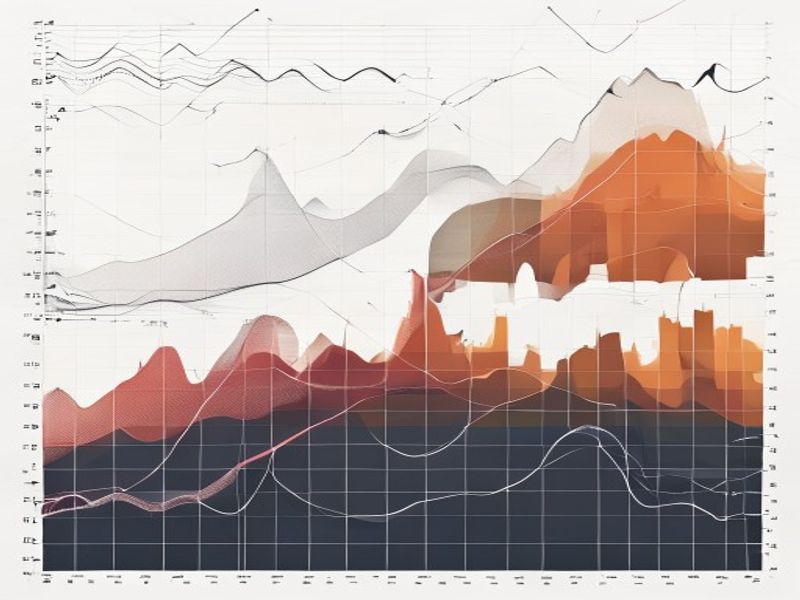
Heat resistance is measured by the Heat Deflection Temperature (HDT), which indicates the temperature at which a material begins to soften under load. When comparing pla+ vs pla in thermal performance, the differences are modest but can be significant in specific applications.
Standard PLA begins softening noticeably around 50-55°C. PLA+ typically adds 3-5°C to this threshold, reaching 55-60°C. While this seems minor, it can mean the difference between a part surviving in a hot car in summer (interior temperatures can reach 55-65°C in direct sunlight) or deforming within minutes. For parts intended for indoor use or temperature-controlled environments, this difference is irrelevant. For automotive interiors, kitchen appliances, or outdoor installations, it becomes critical.
Impact Resistance and Toughness
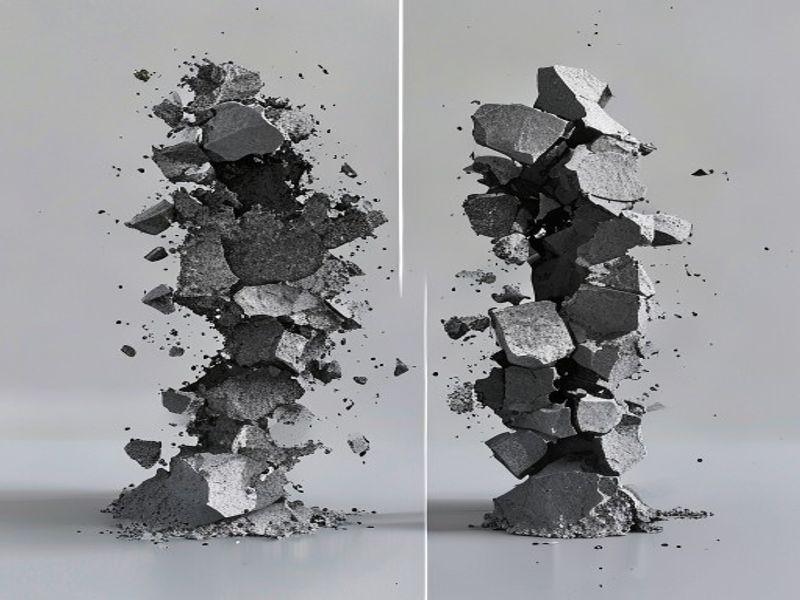
Impact resistance is the property that most dramatically separates pla+ vs pla. Standard PLA absorbs approximately 4-6 kJ/m² of impact energy before fracturing—roughly comparable to polystyrene. PLA+ absorbs 8-14 kJ/m², placing it closer to ABS in impact performance.
This 100-150% improvement transforms the practical utility of PLA-based parts. A gear printed in standard PLA will shatter if dropped onto a concrete floor from waist height. The same gear printed in PLA+ will typically survive multiple identical drops. For products shipped to customers, this shock-absorption capability significantly reduces damage during transit.
Layer Adhesion and Interlaminar Strength
Interlayer bonding strength is the Achilles heel of FDM printing, but it is an area where PLA+ excels. Standard PLA achieves 50-60% of its bulk strength across layer boundaries, creating natural fracture planes. PLA+ typically achieves 65-80% interlayer strength—a significant improvement that makes printed parts behave more like homogenous, injection-molded components.
Print Quality: PLA+ vs PLA Surface Finish
At optimized temperatures, PLA+ tends to produce a slightly glossier surface finish than standard PLA. The plasticizers and modifiers in PLA+ promote smoother melt flow, which fills minor gaps between extrusion lines more effectively. However, printing PLA+ at the wrong temperature (too low) magnifies surface defects because the modifiers interfere with proper melt behavior. Always perform temperature tower calibration when switching between PLA and PLA+ brands.
¿Por qué elegir el plástico de nailon para tus necesidades de impresión 3D y plásticos técnicos?
Con más de 10 años de experiencia en plásticos de ingeniería, Nylon Plastic suministra materiales de alto rendimiento a clientes B2B de todo el mundo. Nuestra gama de productos abarca el nailon (PA6, PA66, PA12), el POM, el PEEK y filamentos para impresión 3D, como el PLA, el PLA+ y el PETG. Antes de su envío, cada lote se somete a pruebas de tolerancia de diámetro (±0,03 mm), contenido de humedad y propiedades mecánicas.
- Instalaciones de fabricación con certificación ISO 9001
- Suministro al por mayor con precios competitivos para empresas (B2B)
- Asistencia técnica para la selección de materiales y los parámetros de impresión
- Envíos rápidos a todo el mundo desde varios almacenes
- Formulación de materiales a medida disponible para proyectos OEM
PLA+ vs PLA: Which One Fits the Part?
| Requisito | PLA | PLA+ |
|---|---|---|
| Print setup | Low barrier to entry and stable first-layer behavior | Usually similar settings, but the formulation varies by brand |
| Resistencia | Good stiffness with lower impact tolerance | Often improved toughness, but verify the supplier’s test data |
| Heat exposure | Best for low-temperature service | May improve practical durability, but it is not automatically a high-temperature resin |
| Buyer check | Confirm color, diameter and print profile | Confirm the additive package, conditioning and measured properties |
Choose by the completed part, not the “plus” label alone. Check the actual load, heat, impact and surface requirements, then test the printed orientation and post-processing condition you will use in production. For a broader four-material comparison, see the 3D printing materials guide.
PREGUNTAS FRECUENTES
When is PLA+ vs PLA: Strength, Heat Resistance and Print Quality Compared a good option?
PLA+ vs PLA: Strength, Heat Resistance and Print Quality Compared is a good option when fast iteration, complex geometry, low tooling cost, or low-volume production is more important than molded-part unit cost.
What should be checked before choosing PLA+ vs PLA: Strength, Heat Resistance and Print Quality Compared?
Compruebe el tamaño de la pieza, las propiedades del material, el acabado superficial, la tolerancia dimensional, la exposición al calor, la dirección de la carga y si es necesario un tratamiento posterior.
How does PLA+ vs PLA: Strength, Heat Resistance and Print Quality Compared compare with CNC machining?
La impresión 3D puede crear formas complejas con rapidez, mientras que el mecanizado CNC suele ser más potente para superficies precisas, tolerancias más ajustadas y materiales de calidad de producción.
What affects the cost of PLA+ vs PLA: Strength, Heat Resistance and Print Quality Compared?
El coste depende del material, el volumen de fabricación, el tiempo de impresión, la altura de capa, la eliminación de soportes, el acabado, la inspección y el número de piezas de la fabricación.