This cnc machining industrial equipment guide explains practical material, design, manufacturing, and sourcing considerations for Nylon Plastic readers.

Industrial equipment and heavy machinery represent the most demanding applications for CNC machining — combining large part dimensions, thick material sections, high-strength alloys, and surface finishes that often resist typical machining strategies. From mining excavator components machined from 6-inch steel plate to turbine shaft bearings requiring ±0.0005 inch concentricity over 40 inches of length, industrial equipment machining pushes the limits of machine tool design, tooling technology, and process engineering.

Categories of Industrial Equipment Components
Large Structural Components
- Excavator and Bulldozer Components: Boom sections, arm assemblies, bucket linkage components — machined from thick steel plate (2-6 inches) with bolt-hole patterns and pin bores requiring ±0.001 inch positional tolerances across spans exceeding 10 feet
- Mining Equipment Housings: Gearbox housings, bearing pedestals, crusher frame components — cast iron or ductile iron, with precision bores for shaft alignment
- Shipbuilding and Offshore Components: Propeller shaft bearings, rudder stock housings, thruster mounting flanges — corrosion-resistant alloys (316 SS, duplex stainless, nickel aluminum bronze) machined to ±0.001 inch
Rotating Equipment Components
- Turbine Shafts: Steam and gas turbine shafts up to 40 feet long, turned from high-alloy steel forgings to ±0.0005 inch concentricity
- Compressor Impellers: 5-axis machined from titanium or stainless steel forgings with complex aerodynamic blade geometries
- Large-Diameter Bearings: Slewing ring bearings (20+ feet diameter) for cranes, wind turbines, and tunnel boring machines — turned, milled, and induction-hardened

Wear Components
- Wear Plates and Liners: Hardened steel (400-500 BHN) or engineered plastic (UHMW-PE, Nylon) liners for mining chutes, hopper linings, and conveyor systems — machined with polished geometries to minimize material hang-up
- Bushings and Bearings: Bronze (C93200, C95400) or engineering plastic (POM, Nylon, PEEK) bushings machined for press-fit installation with ±0.001 inch bore tolerances
- Hydraulic Components: Cylinder barrels, piston heads, and valve bodies machined from steel or ductile iron with precision bore tolerances for seal functionality
Large-Format CNC Machining Challenges
Chip Management
Large industrial components generate enormous volumes of chips. A single roughing pass on a 5-foot gear housing can produce 20-50 cubic inches of steel chips per minute. Chip conveyor capacity, coolant filtration, and chip disposal logistics become significant operational considerations.
Part Fixturing
Gestión térmica
Large components act as thermal reservoirs — a casting that sits in the shop overnight at 60°F and warms to 72°F during an 8-hour machining shift will change dimension measurably. Precision bores machined at different times of day may not align. Temperature-controlled coolant systems (maintaining ±2°F) are essential for precision industrial machining.
Material Selection for Industrial Equipment
| Material | Solicitud | Mecanizabilidad |
|---|---|---|
| Acero aleado 4140 | Shafts, gears, structural | Good in annealed; difficult at 40+ HRC |
| Ductile Iron (65-45-12) | Housings, frames, gear cases | Excellent — graphite lubricates cut |
| 316 Stainless Steel | Corrosion environments | Work-hardens — use sharp tools, coolant |
| UHMW-PE | Wear liners, slide pads | Easy to machine; watch for expansion |
| Nylon 6 (Cast) | Bearings, gears, rollers | Machines well; account for moisture growth |
| POM (Acetal) | Precision bearings, cams | Excelente estabilidad dimensional |
Engineering Plastics in Heavy Equipment
Engineering plastics are increasingly specified for heavy equipment components where their unique properties — self-lubrication, noise reduction, corrosion immunity, and weight reduction — outweigh conventional metal alternatives:
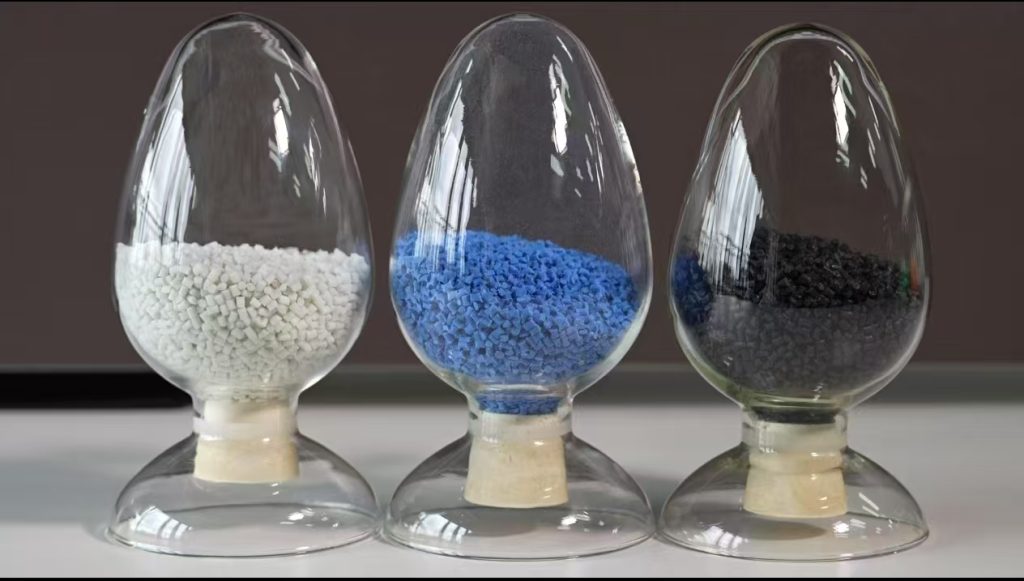
- Nylon (PA6/PA66, cast or machined): Wear-resistant bushings, sheaves, and rollers replacing bronze or steel bearings. Self-lubricating (no grease fittings required), 7× lighter than steel, immune to corrosion in wet mining environments.
- POM (Acetal): Precision bearing surfaces, cam followers, and gear components requiring tight tolerances (±0.001 inch) and stable dimensions across temperature swings
- UHMW-PE (Ultra-High-Molecular-Weight PE): Chute linings, hopper liners, chain guides, and wear strips in abrasive material-handling environments. Extreme abrasion resistance at low cost.
- PEEK: High-temperature bearings and seals in continuous-service applications exceeding 400°F (200°C) — steam turbine components, compressor bearings, and pump wear rings
PREGUNTAS FRECUENTES
When is CNC Machining for Industrial Equipment and Heavy Machinery the right choice?
CNC Machining for Industrial Equipment and Heavy Machinery is the right choice when the part requires machined accuracy, controlled surfaces, repeatable features, and a material that can be cut reliably.
What should be confirmed before ordering CNC Machining for Industrial Equipment and Heavy Machinery?
Confirme la versión del dibujo, el grado del material, las tolerancias, la cantidad, las dimensiones críticas, el acabado superficial y los requisitos de inspección antes de iniciar la producción.
What usually drives cost in CNC Machining for Industrial Equipment and Heavy Machinery?
El coste suele venir determinado por el material, el tiempo de preparación, el tiempo de máquina, la dificultad de la tolerancia, la fijación, el acceso a las herramientas, el acabado, la inspección y la cantidad del pedido.
How can quality risk be reduced in CNC Machining for Industrial Equipment and Heavy Machinery?
El riesgo para la calidad se reduce marcando claramente las características críticas, evitando tolerancias innecesariamente estrictas, confirmando la fabricabilidad en una fase temprana y utilizando datos de inspección para las dimensiones importantes.