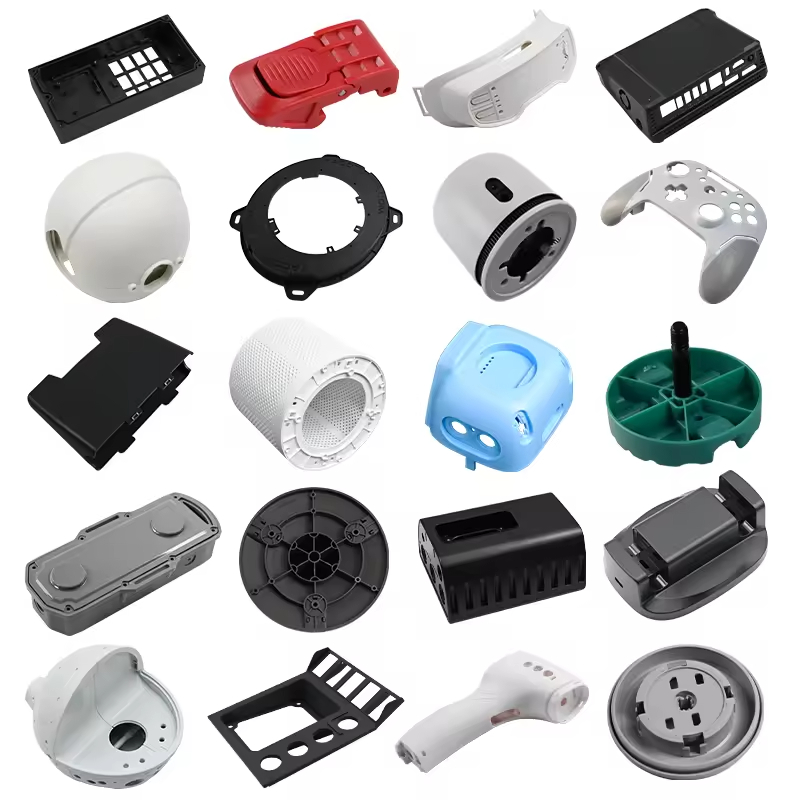
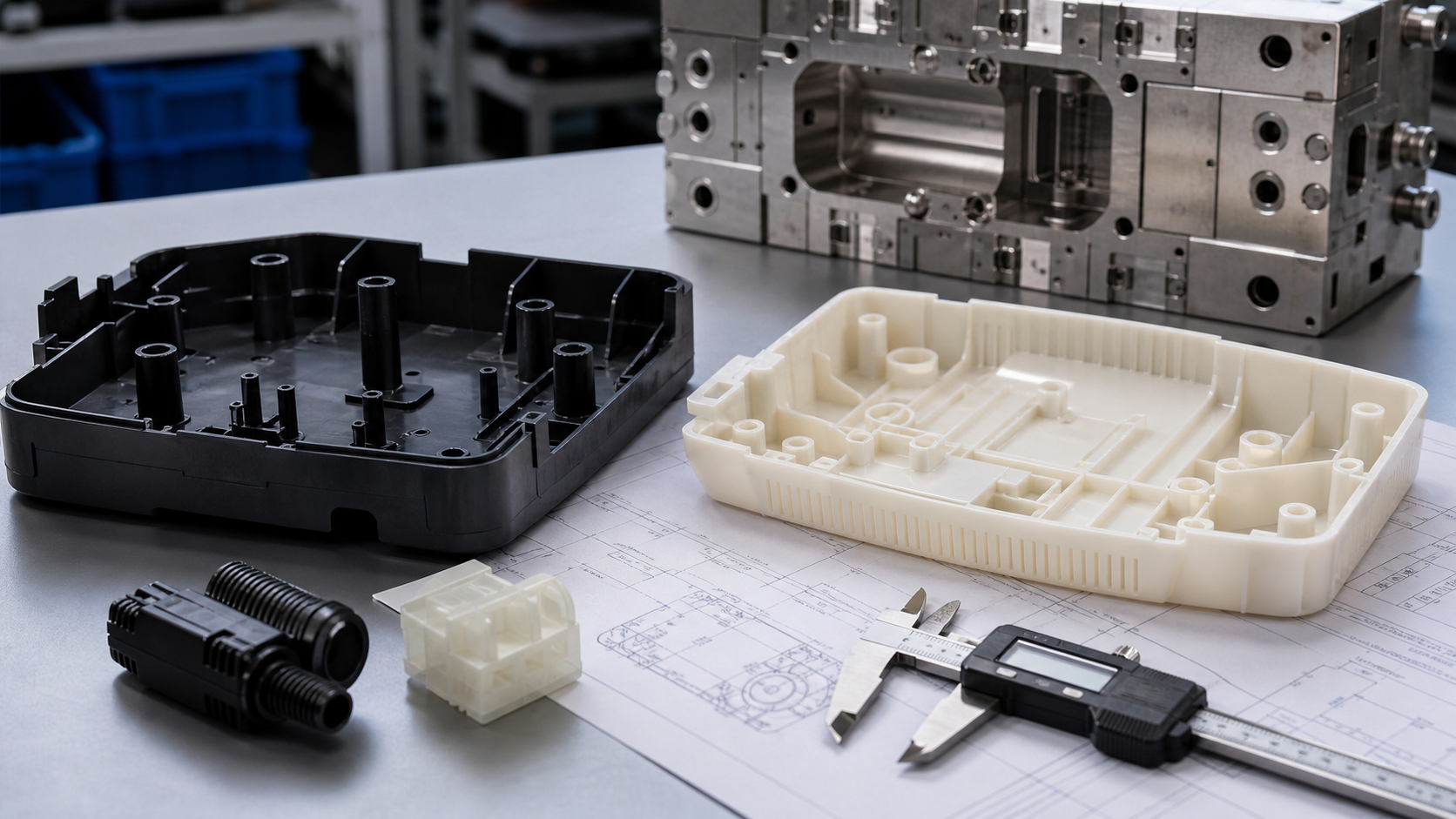
Custom molded plastic parts are best for repeatable plastic components that need stable dimensions, consistent surfaces, controlled material properties, and scalable production after the design is validated.
For buyers, the main decision is not only whether a part can be molded. The better question is whether the material, wall thickness, parting line, gate location, tolerance stack, surface finish, and expected volume are aligned before tooling starts. A small DFM review before mold cutting can reduce rework, sink marks, warpage, weak bosses, and late cost changes.
Discuss Your Custom Molded Plastic Part
Start with the part’s function, drawing revision, resin or performance target, and expected quantity. Identify the dimensions, appearance zones and assembly features that must be accepted before tooling or repeat production.
Request a Custom Molded Part Quote
Need only material selection or a datasheet? Request a Material Recommendation; a material-only enquiry can begin without CAD.
How Custom Molded Plastic Parts Are Produced
A molded part project normally moves from CAD review to DFM, material confirmation, mold design, sampling, correction, and production. The best manufacturing route depends on volume, resin, tolerance and whether the design is still changing.
| Ruta | Uso recomendado | Nota para el comprador |
|---|---|---|
| Moldeo por inyección | Repeat production and stable part geometry | Best after CAD and material are close to final |
| Prototype tooling | Pilot runs and design validation | Useful when molded material behavior must be tested |
| Production tooling | Higher volume and long tool life | Requires stronger confidence in design and demand |
Material Selection for Molded Plastic Components
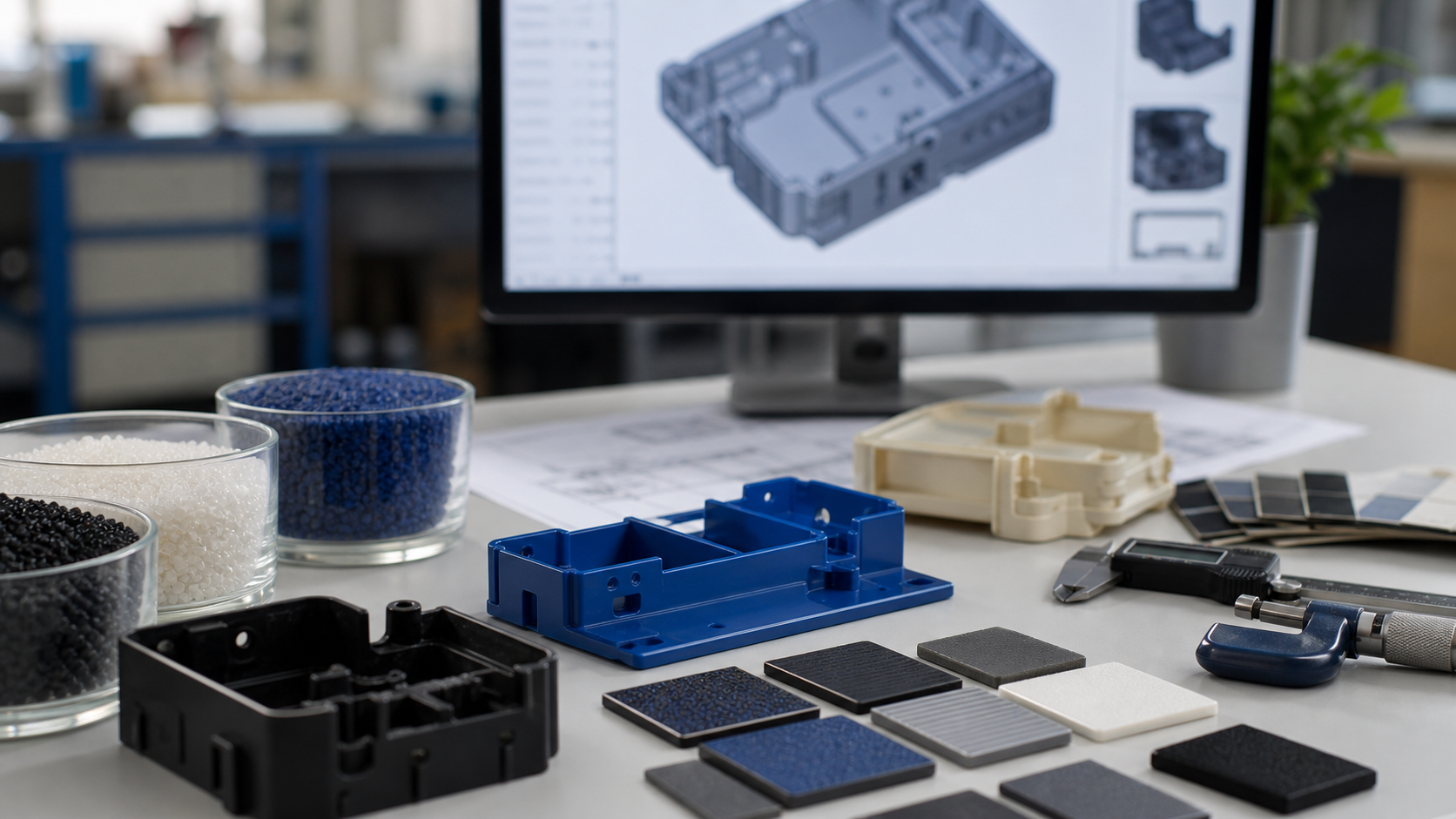
Material choice should come from the part environment, not from a generic datasheet. Temperature, load, chemicals, UV exposure, assembly method, cosmetics and cost all affect the final resin recommendation.
| Material | Ideal para | Nota sobre la selección |
|---|---|---|
| ABS | Housings and cosmetic covers | Good processability and surface options |
| PA6 / PA66 | Gears, brackets and loaded components | Check moisture, heat and glass fiber content |
| PC / PC-ABS | Impact-resistant enclosures | Useful when toughness or heat resistance matters |
| PBT / POM | Electrical and precision parts | Good dimensional stability when selected correctly |
DFM Checks Before Tooling
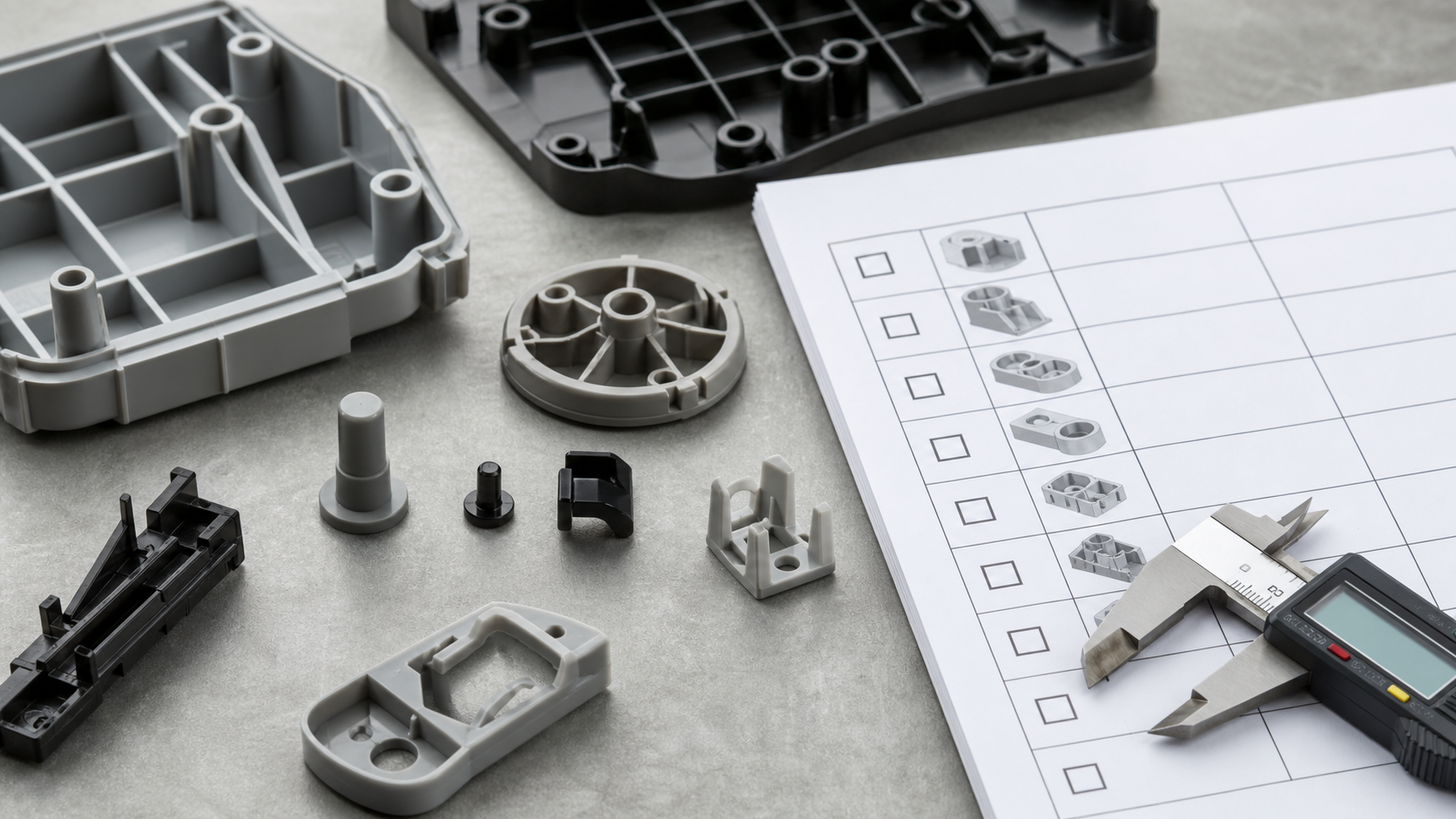
Before ordering tooling, check the features that most often create mold changes or part defects.
- Confirm uniform wall thickness and avoid heavy isolated sections.
- Review ribs, bosses and snap fits against resin-specific design rules.
- Place gates where flow, appearance and strength can be balanced.
- Define tolerance only where the assembly actually requires it.
- Decide texture, polishing, insert molding or secondary operations before mold design.
RFQ Details Buyers Should Prepare
A clear RFQ helps the supplier quote the right mold steel, cavity number, inspection plan and lead time instead of guessing from a screenshot.
Para obtener un presupuesto detallado, envía un plano en 2D o un modelo CAD en 3D, el material deseado, la cantidad prevista, los requisitos de tolerancia, el acabado superficial, el entorno de aplicación, la demanda anual y cualquier requisito de conformidad. Nylon Plastic puede analizar la pieza en cuanto a la selección de materiales, el diseño para la fabricación (DFM), el proceso de prototipado, los riesgos relacionados con el utillaje, el plazo de entrega y el coste de producción antes de que el proyecto pase a la fase de fabricación.
Buyer Problems to Resolve Before Mold Release
- The RFQ lacks annual volume, expected tool life, cavitation plan, or ownership terms.
- The drawing names a resin family but not the complete grade, color, approvals, or backup material.
- Cosmetic surfaces, texture, gate vestige, ejector marks, weld lines, and parting lines are not marked.
- Critical dimensions, conditioning, gauges, samples, and ongoing control are undefined.
Cómo contribuye el plástico de nailon al proyecto
Nylon Plastic has supported material selection and finished plastic-part manufacturing since 2005. The same project review can connect material selection, DFM, mold design, sampling, assembly, and production inspection, so buyers do not have to evaluate each production decision in isolation.
- Review the drawing, material, quantity, critical features, and use environment before quotation.
- Compare 3D printing, CNC machining, rapid tooling, and production molding when more than one route is practical.
- Define samples, dimensional reports, material documents, traceability, and acceptance criteria before release.
Agree the Part Acceptance Scope Before Tooling
A part quotation should identify what will be reviewed, sampled and approved. Ask for the following deliverables by name rather than relying on a general promise of quality.
| Decisión | Input to supply | Scope to confirm |
|---|---|---|
| Material suitability | Service temperature, load, moisture, chemicals and document requirements | Exact grade, TDS, conditioning state and any application-specific approval |
| Lanzamiento de la herramienta | Controlled drawing, critical features and cosmetic zones | DFM actions, gate/parting-line proposal, tooling assumptions and revision approval |
| First-article acceptance | Datums, measurement method, mating parts and functional test requirements | Sample quantity, dimensional report, finish criteria and correction/review process |
| Repeat production | Forecast, packaging, destination and batch traceability needs | Inspection plan, approved material changes, required records and delivery terms |
En plastic injection molding service explains the process scope. For reinforced nylon selection, review the PA66 GF30 material and TDS before fixing a resin requirement.
Lecturas relacionadas
Preguntas frecuentes
What are custom molded plastic parts?
They are drawing-controlled components produced with a selected resin and dedicated tooling to meet function, tolerance, appearance, volume, and quality requirements.
When should injection molding replace CNC or 3D printing?
Move toward molding when the design is stable, demand supports tooling, and repeat unit cost and consistency matter more than tool-free changes.
Why is DFM required before mold making?
DFM identifies wall, draft, rib, boss, undercut, gate, tolerance, and ejection risks before mold steel is cut.
What belongs in a molded-part RFQ?
Include CAD and drawings, resin, color, quantity, annual demand, critical dimensions, appearance, texture, inserts, assembly, approvals, inspection, packaging, and tooling terms.
Request a Custom Molded Part Review
Send the drawing, annual volume, material target, cosmetic and dimensional requirements, and validation plan for a DFM and tooling review.