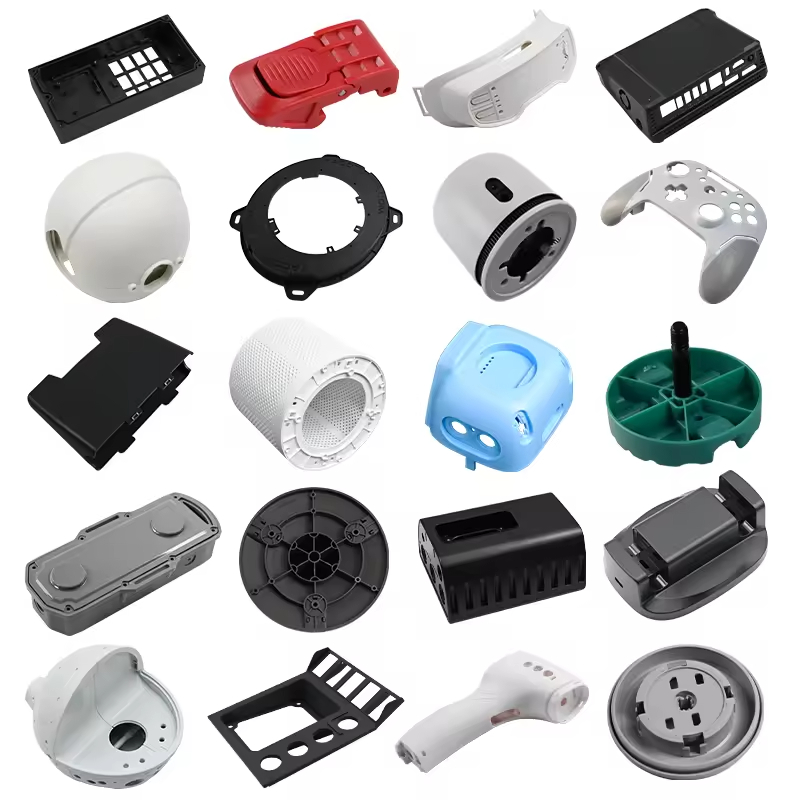
This dfm analysis nylon injection molding guide explains practical material, design, manufacturing, and sourcing considerations for Nylon Plastic readers.
Design for Manufacturing (DFM) is not just a buzzword—it’s a critical step that separates successful nylon injection molding projects from costly failures. At our facility, we’ve seen countless designs that look perfect on screen but translate poorly into production. Understanding DFM principles before committing to tooling can save you significant time, money, and frustration.
What is DFM in Injection Molding?

DFM analysis evaluates your part design for manufacturability before mold construction begins. For nylon components, this process identifies potential issues related to material flow, cooling, warpage, and dimensional stability. A thorough DFM review can reveal problems that would otherwise only surface during production—at which point corrections become exponentially more expensive.
The goal is simple: optimize the design so that it can be produced efficiently, consistently, and economically using injection molding processes. For nylon materials specifically, DFM must account for the material’s unique characteristics, including moisture absorption, shrinkage rates, and crystallization behavior.
Key DFM Considerations for Nylon Parts
Wall Thickness Uniformity
Nylon parts require consistent wall thickness to prevent sink marks, voids, and differential shrinkage. Variable wall thickness causes uneven cooling, leading to internal stresses and potential warpage. As a general rule, maintain wall thickness within a 10% tolerance across the part.
Ángulos de selección
Nylon’s semi-crystalline nature means it shrinks tightly onto mold cores. Without adequate draft angles (typically 1-2 degrees minimum), parts may stick or sustain damage during ejection. This is especially critical for deep features and rib structures.
Rib Design
Ribs add strength without increasing wall thickness, but poorly designed ribs create sink marks on cosmetic surfaces. Keep rib thickness at 50-70% of the adjacent wall thickness, and maintain proper draft on all rib features.
Gate Location
Gate placement affects weld line location, air traps, and fiber orientation in glass-filled nylons. Strategic gate positioning ensures uniform filling and minimizes aesthetic defects on visible surfaces.
The Cost of Skipping DFM
| Issue Type | DFM Fix Cost | Post-Tooling Fix Cost |
|---|---|---|
| Wall thickness variation | Design revision only | $5,000-$15,000 mold modification |
| Insufficient draft | CAD adjustment | $3,000-$8,000 core rework |
| Poor gate location | Mold design change | $2,000-$6,000 gate modification |
| Warpage issues | Optimización del diseño | $10,000+ mold rework + trials |
Our DFM Process
When you partner with us for nylon injection molding, our engineering team conducts a comprehensive DFM analysis before any steel is cut. This includes mold flow simulation, cooling analysis, and fiber orientation prediction for reinforced materials. We provide detailed feedback with recommended design modifications, ensuring your project starts on the right path.
With over 20 years of experience in engineering plastics, we understand how nylon behaves during processing. Our DFM expertise helps you avoid common pitfalls and achieve optimal part quality from the first production run.

DFM Findings That Commonly Become Tooling Change Orders
- The supplier reviews a generic checklist but does not mark draft, wall transitions, ribs, bosses, gates, vents, or ejection on the actual model.
- Tight dimensions are specified without distinguishing datums, assembly fits, cosmetic zones, and dimensions that can use a practical tolerance.
- PA-GF20 or PA-CF30 is selected for stiffness without accounting for fiber direction, weld lines, shrinkage, mold wear, or surface texture.
- A DFM report recommends changes but does not state who will update the CAD, mold design, inspection plan, or sample approval record.
Cómo contribuye el plástico de nailon al proyecto
Nylon Plastic reviews DFM together with material selection, mold design, injection sampling, CNC machining, and 3D printed validation when appropriate. That combined view helps buyers resolve manufacturability issues before steel is cut and keeps the final inspection plan tied to the drawing.
- Review the drawing, material, quantity, critical features, and service environment before quotation.
- Connect samples, dimensional reports, material documents, traceability, and acceptance criteria to the same revision.
- Use custom compounding, injection molding, CNC machining, or 3D printing when the application requires a different route.
Lecturas relacionadas
- Mold Flow Analysis and DFM
- Wall Thickness Design Guide
- Piezas de plástico moldeadas a medida
- Plastic Injection Molding Services
Preguntas frecuentes
What should a nylon injection molding DFM report show?
It should mark wall thickness, draft, ribs, bosses, undercuts, parting line, gates, runners, vents, ejection, weld lines, shrinkage and tolerance risks on the actual part model.
When is mold-flow analysis worth adding to DFM?
It is especially useful for long flow lengths, reinforced nylon, multiple gates, thin walls, visible surfaces, tight warpage limits, or expensive tooling where a correction would be costly.
Does a DFM review guarantee that molded parts will pass inspection?
No. DFM reduces design and tooling risk, but sampling, process control, material conditioning, measurement method, and production validation are still required.
What files should be sent for a DFM review?
Send revision-controlled CAD and drawings, resin or candidate grades, annual volume, appearance zones, critical datums, inserts, assembly requirements, and known defect concerns.
Request a Nylon DFM Review
Send the CAD, drawing, material target, volume, and critical features for a part-specific DFM and tooling-risk review.