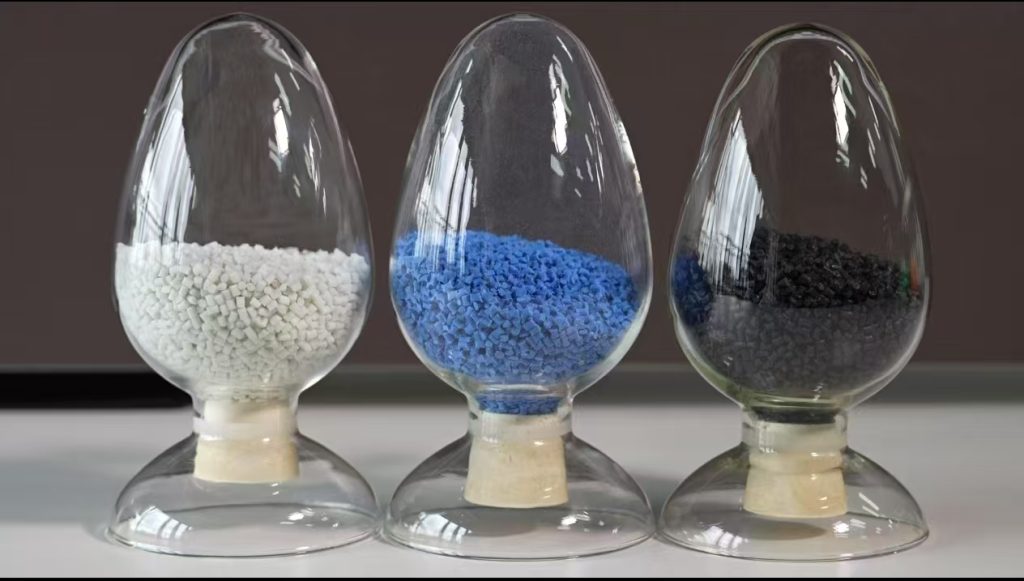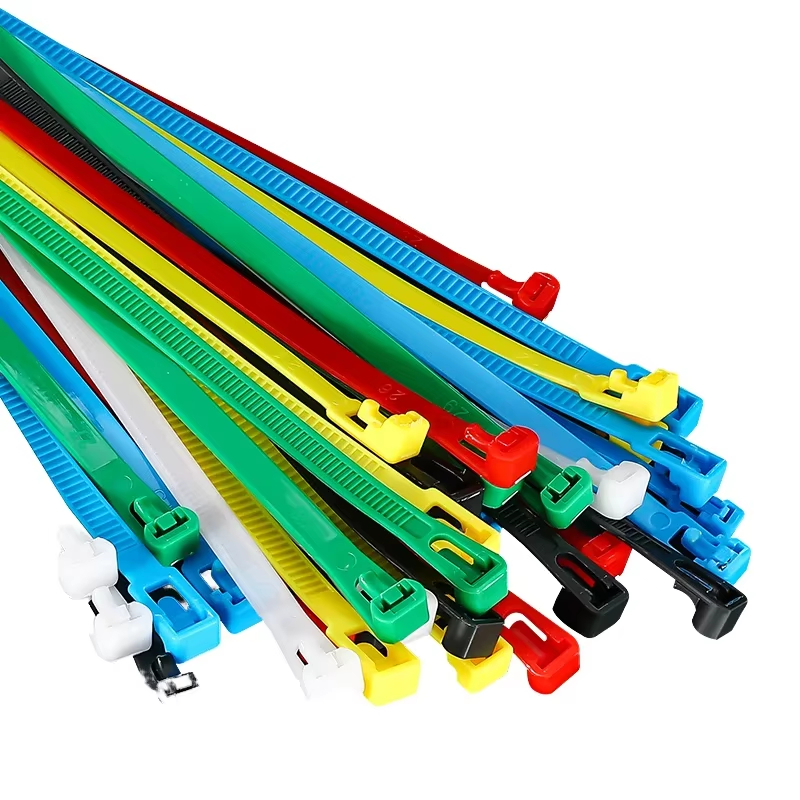
La elección entre el nailon 6 y el nailon 66 es una de las decisiones más habituales a la hora de seleccionar materiales en el ámbito de los plásticos técnicos. Ambos son poliamidas con excelentes propiedades mecánicas, pero se adaptan a necesidades de aplicación diferentes. A continuación te ofrecemos una comparación práctica que te ayudará a decidirte.
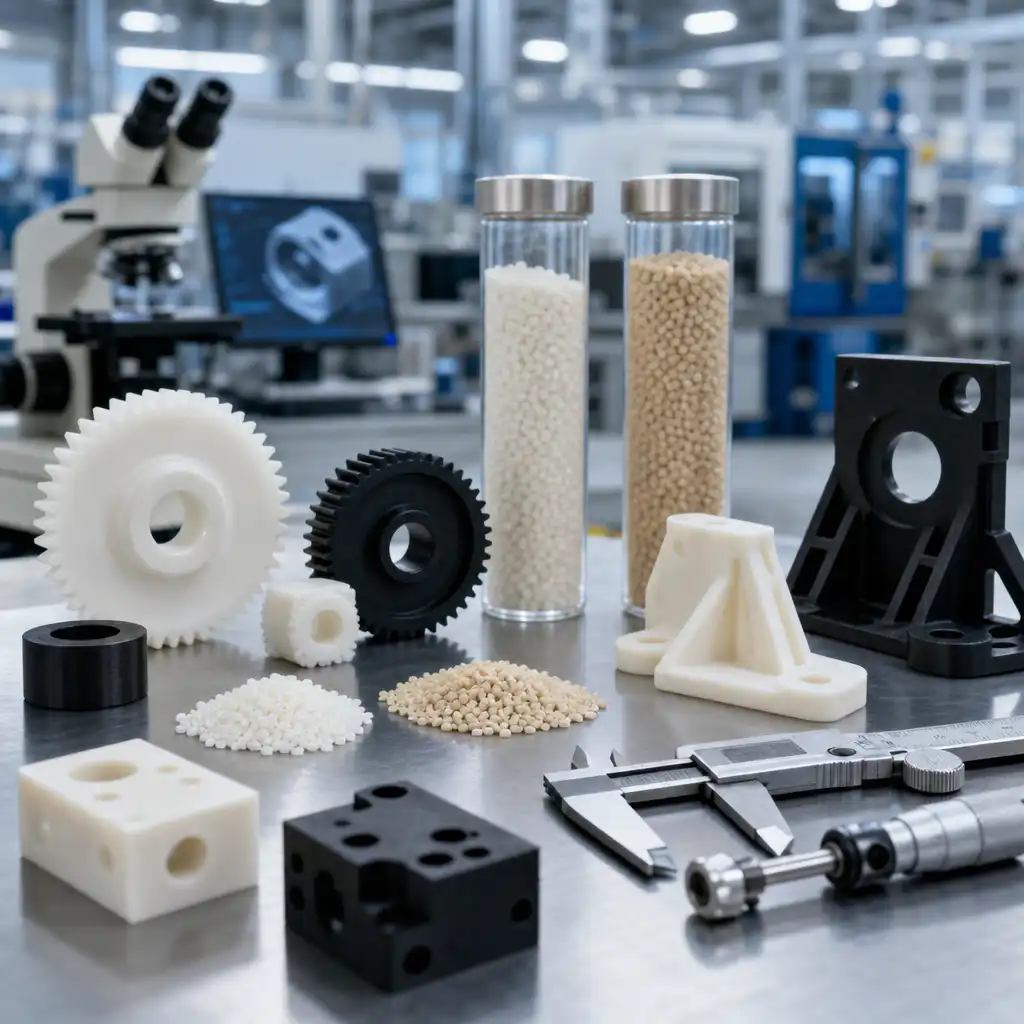
Propiedades térmicas
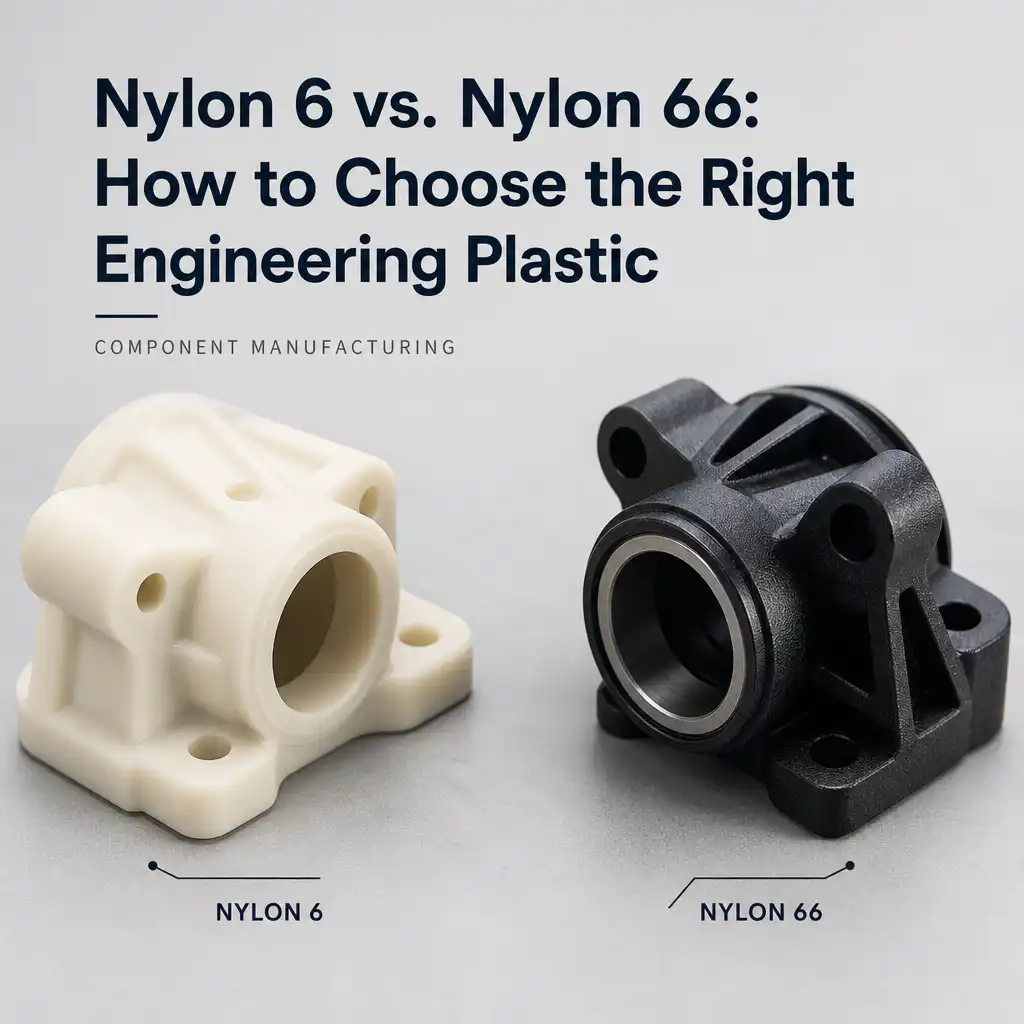
El nailon 66 tiene un punto de fusión más alto (265 °C) que el nailon 6 (220 °C), lo que le confiere una mayor resistencia al calor. Las piezas expuestas a temperaturas superiores a 100 °C suelen ofrecer un mejor rendimiento con el nailon 66. El nailon 6 es más susceptible de degradarse en entornos con altas temperaturas.
Resistencia mecánica
El nailon 66 ofrece una resistencia a la tracción y un módulo de elasticidad superiores, lo que lo convierte en el material ideal para componentes estructurales sometidos a cargas elevadas. El nailon 6 absorbe más humedad y presenta una mayor resistencia al impacto a temperatura ambiente, lo que resulta ventajoso para las piezas que requieren tenacidad.
Absorción de humedad
El nailon 6 absorbe más humedad que el nailon 66 (9-10% frente a 6,5-8% en condiciones de saturación). Esto afecta a la estabilidad dimensional en entornos húmedos. Si la resistencia a la humedad es fundamental, puede ser preferible utilizar nailon 66 reforzado con fibra de vidrio.
Elaboración y coste
El nailon 6 se procesa a temperaturas más bajas, lo que reduce los costes energéticos y el desgaste de los moldes. Por lo general, resulta más rentable para aplicaciones de uso general. El nailon 66 requiere temperaturas de procesamiento más altas, pero ofrece un mejor acabado superficial y una mayor retención de la rigidez.
Recomendaciones de uso
- Elige el nailon 6: Piezas mecánicas generales, productos de consumo y filamentos para impresión 3D, en los que la rentabilidad y la resistencia a los impactos son prioritarias
- Elige el nailon 66: Componentes de motores de automoción, aplicaciones a alta temperatura, piezas de ingeniería de precisión que requieren estabilidad dimensional
Variantes reforzadas con fibra de carbono
Tanto el nailon 6 como el nailon 66 pueden reforzarse con fibra de carbono. El refuerzo con fibra de carbono mejora significativamente la relación resistencia-peso, reduce la expansión térmica y aumenta la estabilidad dimensional. Para aplicaciones de impresión 3D, el nailon 6 reforzado con fibra de carbono (PA6-CF) está ampliamente disponible y ofrece una excelente capacidad de impresión.
Conclusión
Ninguno de los dos materiales es superior en todos los aspectos. El nailon 66 destaca por su resistencia al calor y su rigidez estructural; el nailon 6 ofrece una mayor resistencia al impacto y una mejor relación calidad-precio. La elección debe basarse en la temperatura de funcionamiento, los requisitos de carga, las condiciones ambientales y las limitaciones presupuestarias.
En Nylonplastic, suministramos materiales de nailon 6 y nailon 66 en diversas calidades, incluidas formulaciones reforzadas con fibra de vidrio y fibra de carbono. También ofrecemos servicios de mecanizado CNC e impresión 3D con estos materiales.
¿Estás listo para comprar? Nylonplastic suministra todos los materiales mencionados en esta guía, tanto en calidades estándar como a medida, con certificación de calidad según las normas IATF 16949, ISO 9001 e ISO 14001. Solicitar un presupuesto →