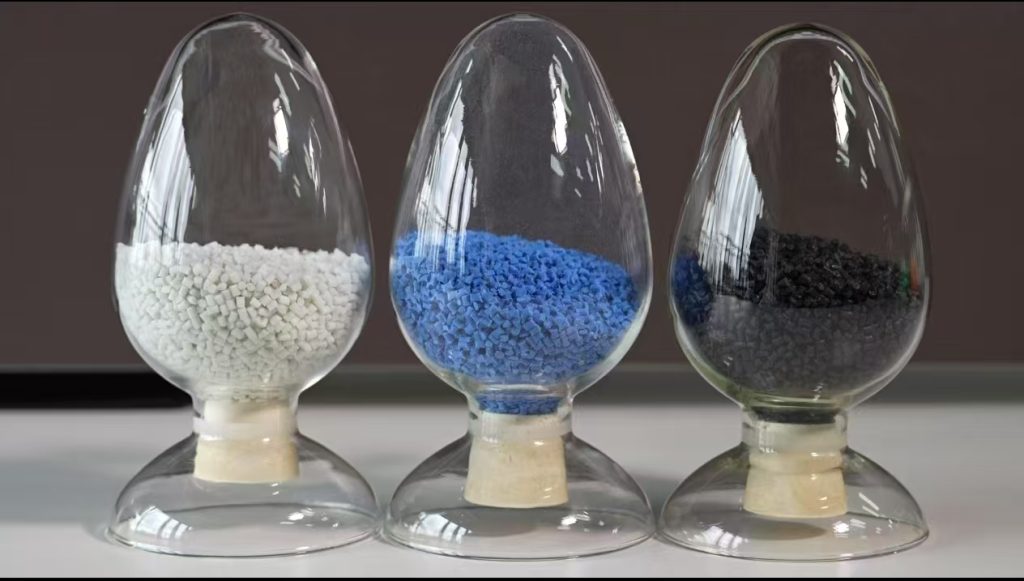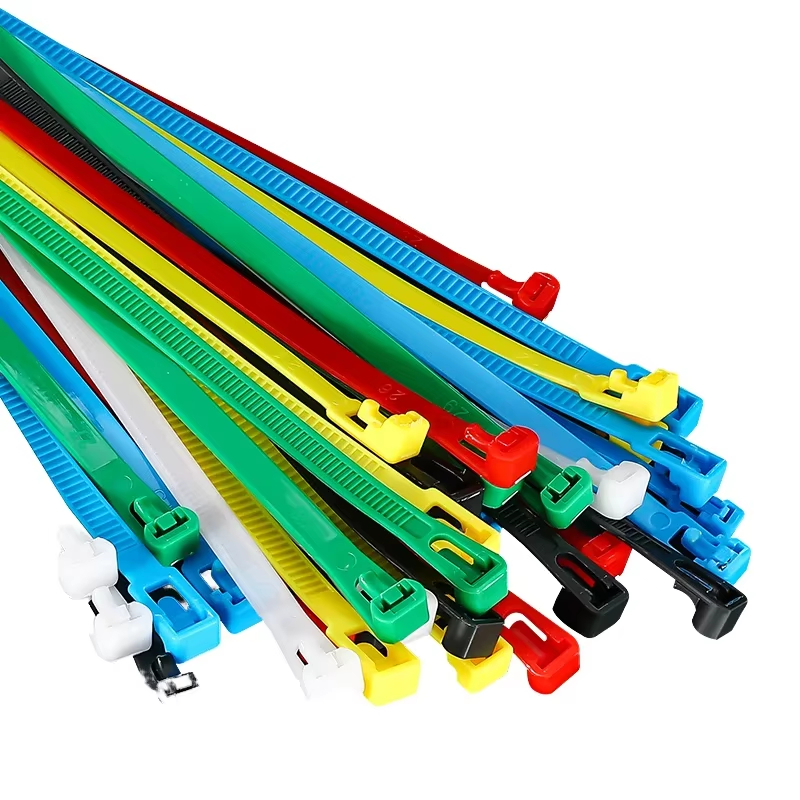
Nylon chemical resistance is not one fixed property. PA6, PA66, and PA12 can behave very differently in acids, bases, solvents, fuels, water, and cleaning chemicals, so the right choice depends on the actual fluid, temperature, stress, and exposure time.
If you want a fast starting point, use our Tabla de compatibilidad química del nailon. For a broader comparison, see the engineering plastics compatibility chart. If moisture or weathering will also matter, review absorción de humedad del nailon y UV stabilized nylon outdoor weathering.

Which Nylon Grades Handle Chemicals Best?
The short answer is that PA12 usually gives the best balance when fuels, moisture control, and dimensional stability matter most. PA66 is often the better first check when heat and stiffness dominate. PA6 is a common general-purpose starting point, but it is also the grade where moisture effects are easiest to underestimate.
| Environment | PA6 | PA66 | PA12 | Best first check |
|---|---|---|---|---|
| Water / humidity | Caution | Caution | Better | PA12 when low moisture uptake matters |
| Fuels / oils | Bien | Bien | Best | PA12 for fuel handling and fluid lines |
| Weak acids | Limitado | Limitado | Better | Check concentration and temperature |
| Strong acids | Pobre | Pobre | Poor to limited | Consider another engineering plastic |
| Alkaline cleaners | Caution | Caution | Bien | Verify heat and soak time |
| Polar solvents | Check grade | Check grade | Check grade | Use test data before release |
Why Nylon Compatibility Changes So Much
Compatibility changes because nylon does not live in a vacuum. A part that looks stable in a lab chart can still fail in service if temperature rises, load stays high, or the fluid is present for long periods.
- Concentration: diluted cleaners and concentrated chemicals are not the same case.
- Temperature: heat usually accelerates swelling, hydrolysis, and stress cracking.
- Exposure time: splash contact is very different from immersion.
- Mechanical stress: a loaded part can fail sooner than a free test coupon.
- Moisture history: dry-as-molded and conditioned nylon do not behave the same way.
- Additives: glass fiber, UV stabilizers, and impact modifiers can shift performance.
When PA6, PA66, or PA12 Is Usually the Better First Choice
PA12 is often the safest first check for fuel contact, lower water uptake, and better dimensional stability. It is common in fluid handling, tubing, and outdoor assemblies where chemical exposure and moisture are both part of the job.
PA66 is usually the better option when stiffness, heat resistance, and creep performance matter more than moisture sensitivity. It often stays in the shortlist for structural parts, under-hood parts, and higher-temperature service.
PA6 is a practical, cost-effective starting point for many general engineering applications, but it should be checked carefully when water uptake, long dwell time, or chemical splash is part of the use case.

When Nylon Is Usually the Wrong First Choice
Nylon is often not the best first candidate for strong mineral acids, long hot alkali exposure, aggressive solvent service, or any condition where the fluid is both hot and under sustained load.
If the part sees those conditions, review another engineering plastic before tooling starts. That is the safer path than assuming nylon will “probably work.”
Quick Selection Rules
- Elija PA12 first for fuels, moisture-sensitive parts, and better dimensional stability.
- Elija PA66 first for higher heat and stiffness.
- Elija PA6 first when cost matters and the chemical load is moderate.
- Switch away from nylon when exposure is hot, acidic, strongly alkaline, or solvent-heavy.
- Test the actual molded part, not only the raw resin data, before final sign-off.
Lecturas relacionadas
- Nylon Chemical Compatibility Chart
- Nailon 6 frente a nailon 66
- PA6 frente a PA12
- Engineering Plastics Compatibility Chart
- UV Stabilized Nylon Outdoor Weathering
Is nylon resistant to acids?
Not reliably in the broad sense. Weak or short exposure may be manageable, but strong acids usually push nylon out of the shortlist. Concentration, temperature, and exposure time matter more than the material name alone.
Is nylon resistant to fuels and oils?
Often yes, especially for PA12 and many PA66 use cases. That said, real service conditions still matter, so fuel type, additives, temperature, and long-term load should be checked before release.
Should I choose PA12 for chemical contact?
PA12 is often the first nylon grade to check when chemical exposure, moisture control, and dimensional stability are all important. It is not automatic, but it is usually the strongest starting point inside the nylon family.
If you need a quick material review, send the fluid, temperature, load, and part geometry details. We can help narrow the choice before tooling or qualification starts.
If you are moving from material screening to production, review our plásticos técnicos de nailon page for grade options, servicios de moldeo por inyección de nailon for molded parts, nylon CNC machining services for machined parts, and nylon 3D printing service for prototypes or low-volume functional parts.
Need a nylon compatibility review?
Send fluid, temperature, load, and geometry details. We can help shortlist PA6, PA66, or PA12 before tooling or qualification starts.