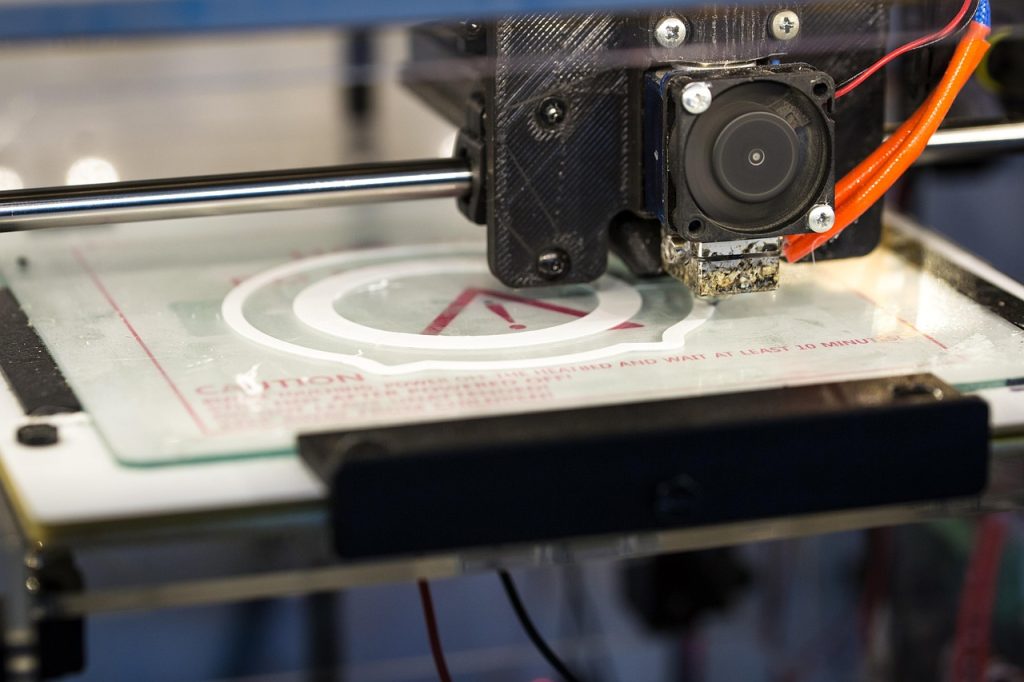
Selectivo Es un tema práctico de ingeniería cuando hay que comparar opciones, comprobar los límites y elegir un proceso que presente menos riesgos.
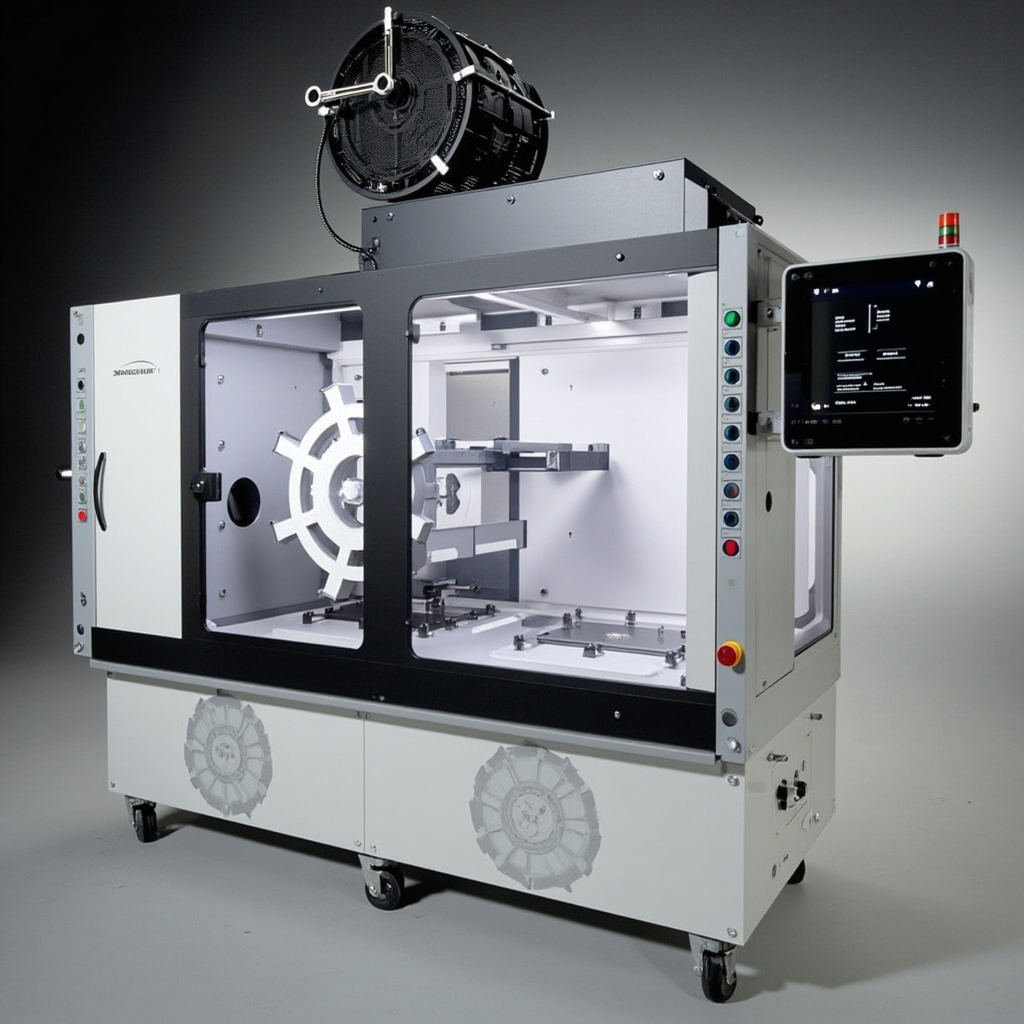
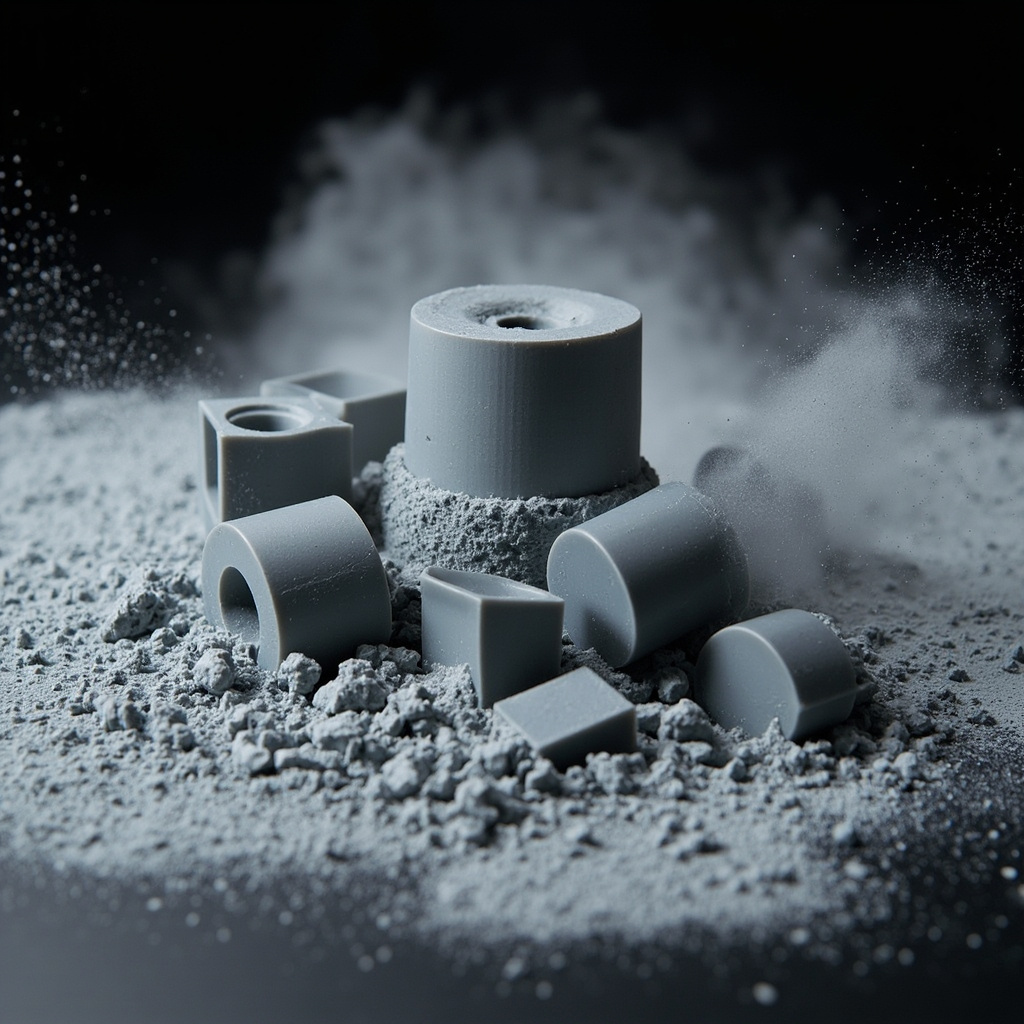
El sinterizado selectivo por láser (SLS) es un proceso de fabricación aditiva basado en polvo que utiliza un láser de alta potencia para fusionar pequeñas partículas de material termoplástico —normalmente nailon— y convertirlas en piezas 3D sólidas. Una de las ventajas más significativas del SLS es que las piezas se pueden fabricar sin estructuras de soporte, ya que el polvo no sinterizado circundante sirve de soporte natural para las partes en voladizo. Esto hace que el SLS sea ideal para geometrías complejas y piezas funcionales aptas para la producción.
Cómo funciona la impresión 3D con SLS
El proceso SLS comienza con una fina capa de polvo de polímero —normalmente nailon— que se extiende de manera uniforme sobre la plataforma de impresión, dentro de una cámara calentada a una temperatura ligeramente inferior al punto de fusión del material. A continuación, un láser de CO₂ de alta potencia escanea la sección transversal del modelo CAD, sinterizando las partículas de polvo en los puntos donde incide el láser. Tras cada capa, la plataforma desciende un espesor de capa, se extiende una nueva capa de polvo por encima y el proceso se repite.
Una vez finalizada la impresión, se deja que toda la cámara de impresión se enfríe lentamente para evitar que se deforme. A continuación, se extraen las piezas del polvo no sinterizado, que puede reciclarse y mezclarse con polvo nuevo para futuras impresiones.
Ventajas clave de la tecnología SLS
No se necesitan estructuras de soporte
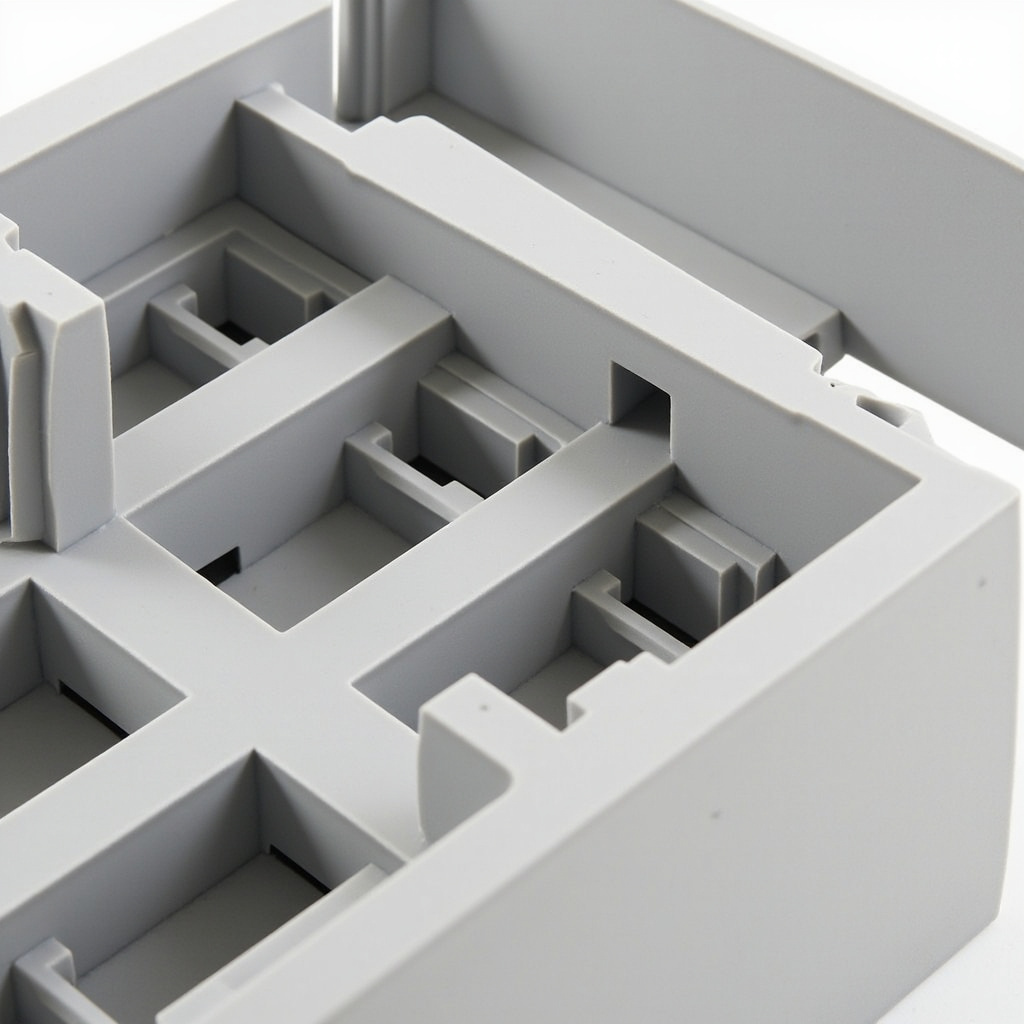
Quizás la ventaja más significativa del SLS es que las piezas no requieren estructuras de soporte específicas. El lecho de polvo sin sinterizar admite todo tipo de geometrías, incluidos los socavados, las cavidades internas y las estructuras reticulares complejas. Esto ofrece una libertad de diseño imposible de conseguir con los procesos FDM, SLA o el mecanizado CNC.
Excelentes propiedades mecánicas
Las piezas de nailon fabricadas con la tecnología SLS presentan excelentes propiedades mecánicas —son resistentes, duraderas y resistentes a los impactos—, lo que las hace adecuadas para piezas funcionales destinadas al uso final, y no solo para prototipos. La estructura de nailon fundido proporciona propiedades mecánicas isotrópicas uniformes en todas las direcciones.
Libertad de diseño para geometrías complejas
Al no tener limitaciones en cuanto a estructuras de soporte, la tecnología SLS permite la producción de piezas de gran complejidad, como bisagras flexibles, canales conformados, celosías intrincadas y geometrías sobremoldeadas, cuya fabricación mediante mecanizado o moldeo resultaría imposible o extremadamente costosa.
Producción por lotes rentable
Dado que el lecho de polvo permite fabricar varias piezas a la vez, la tecnología SLS resulta muy eficiente para la producción por lotes. Se pueden agrupar varias piezas en el volumen de construcción, lo que hace que los costes por pieza disminuyan significativamente a medida que aumenta el tamaño del lote, lo que resulta mucho más económico que el moldeo por inyección para series pequeñas y medianas.
Versatilidad de los materiales
Los sistemas SLS modernos admiten una gama cada vez más amplia de materiales de nailon de calidad técnica:
| Material | Propiedades clave | Aplicaciones |
|---|---|---|
| PA12 (nailon 12) | Alta resistencia mecánica, excelente resistencia química | Piezas funcionales, sector aeroespacial, sector de la automoción |
| PA11 (nailon 11) | De origen biológico, dúctil, resistente a los impactos | Productos médicos y de consumo |
| Nailon reforzado con fibra de vidrio | Mayor rigidez, estabilidad dimensional | Componentes estructurales, plantillas y s |
| Elastómeros de TPU | Flexible, elástico, con buen rebote | Juntas, juntas de estanqueidad, calzado, piezas de tacto suave |
| Alumide (PA12 + aluminio) | Aspecto metálico, gran rigidez | Prototipos funcionales, modelos de exposición |
Aplicaciones comunes
La durabilidad y la libertad de diseño que ofrece la SLS la convierten en una tecnología fundamental en múltiples sectores:
- Piezas funcionales para uso final: Soportes, abrazaderas, carcasas y componentes estructurales resistentes
- Automóvil: Piezas de interior a medida, rejillas de ventilación, prototipos de salpicaderos y piezas de producción en series reducidas
- Electrónica de consumo: Carcasas resistentes, fundas protectoras y empuñaduras ergonómicas
- Herramientas industriales: Plantillas, s y medios auxiliares de fabricación que resisten las condiciones del taller
- Productos sanitarios: Plantillas ortopédicas, prótesis y modelos para la planificación quirúrgica
- Conjuntos complejos: Piezas con canales internos y bisagras integradas que no pueden fabricarse mediante ningún otro método
Consideraciones de diseño para el SLS
Acabado superficial
Las piezas impresas mediante SLS presentan una textura ligeramente rugosa y mate, con una superficie granulada (Ra ~8-15 micrómetros). Esta textura puede suavizarse mediante el pulido con medios abrasivos, el chorro de arena o el alisado químico (pulido al vapor). Las piezas teñidas de negro u otros colores pueden presentar un aspecto más acabado.
Espesor de la pared y tolerancia
El espesor mínimo recomendado de las paredes es de 0,8 mm para piezas pequeñas, y aumenta hasta 1,5 mm para componentes grandes. La tolerancia dimensional habitual es de ±0,3%, con un mínimo de ±0,3 mm. Los diseñadores deben tener en cuenta una contracción isotrópica de aproximadamente 2-3% durante el enfriamiento.
Humedad y almacenamiento
El polvo de nailon es higroscópico y absorbe la humedad del aire. Tanto el polvo nuevo como el reciclado deben secarse antes de su uso. Las piezas deben almacenarse en un entorno seco para evitar la absorción de humedad, ya que esta puede afectar a sus propiedades mecánicas.
PREGUNTAS FRECUENTES
¿Cuándo es recomendable recurrir a los servicios de impresión 3D mediante sinterización selectiva por láser (SLS)?
Los servicios de impresión 3D mediante sinterización selectiva por láser (SLS) son una buena opción cuando la rapidez en la iteración, la geometría compleja, el bajo coste de los moldes o la producción en series reducidas son más importantes que el coste unitario de las piezas moldeadas.
¿Qué hay que tener en cuenta antes de elegir servicios de impresión 3D mediante sinterización selectiva por láser (SLS)?
Compruebe el tamaño de la pieza, las propiedades del material, el acabado superficial, la tolerancia dimensional, la exposición al calor, la dirección de la carga y si es necesario un tratamiento posterior.
¿En qué se diferencian los servicios de impresión 3D mediante sinterización selectiva por láser (SLS) del mecanizado CNC?
La impresión 3D puede crear formas complejas con rapidez, mientras que el mecanizado CNC suele ser más potente para superficies precisas, tolerancias más ajustadas y materiales de calidad de producción.
¿Qué factores influyen en el coste de los servicios de impresión 3D mediante sinterización selectiva por láser (SLS)?
El coste depende del material, el volumen de fabricación, el tiempo de impresión, la altura de capa, la eliminación de soportes, el acabado, la inspección y el número de piezas de la fabricación.