
«Tensión frente a deformación: guía completa sobre la deformación y ensayo de materiales» constituye uno de los recursos más importantes en el ámbito de la ingeniería y la fabricación modernas. Esta guía exhaustiva analiza las propiedades fundamentales, las aplicaciones industriales y las consideraciones de fabricación relacionadas con la tensión frente a la deformación, proporcionando a los ingenieros y a los profesionales de compras los conocimientos esenciales para la selección de materiales y el diseño de aplicaciones.
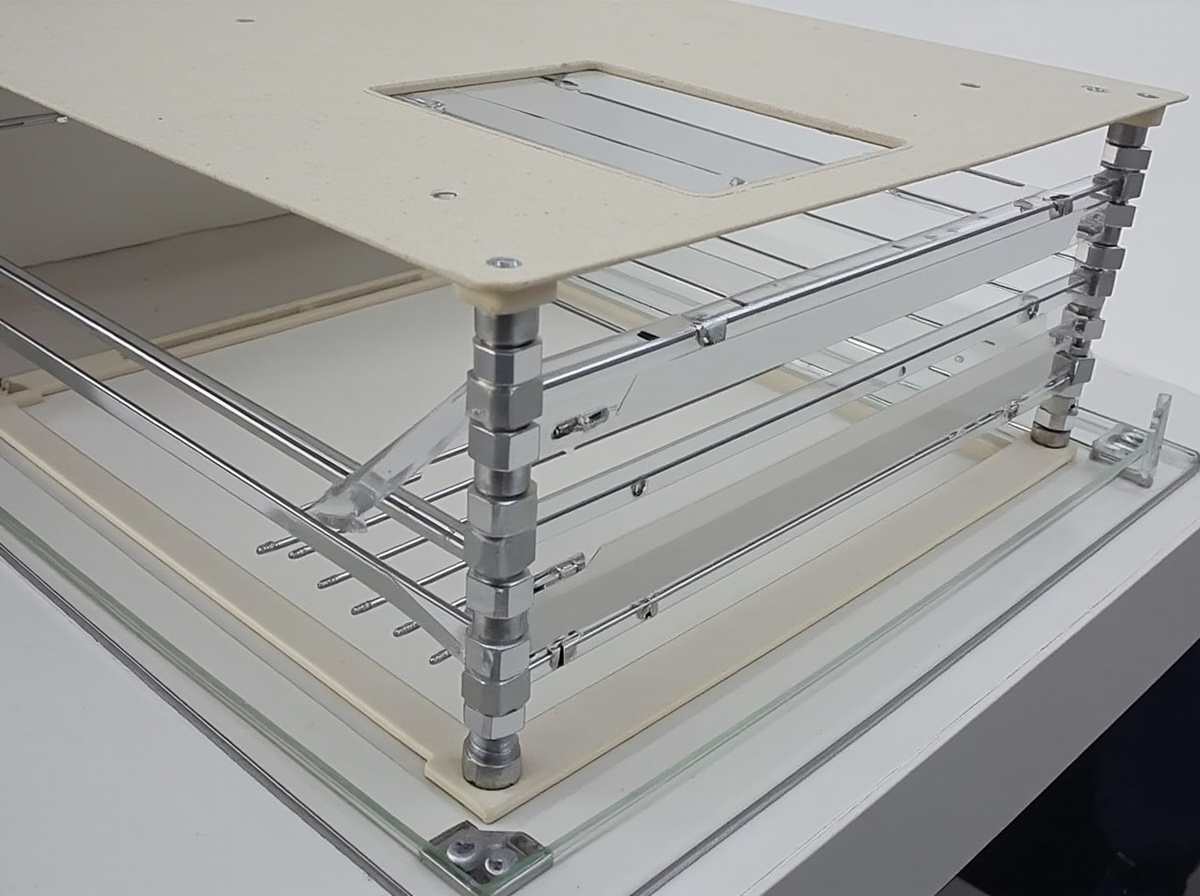
Propiedades y características fundamentales
Las propiedades de tensión frente a deformación determinan su idoneidad para aplicaciones de ingeniería específicas. Entre las características clave se incluyen la resistencia mecánica, la resistencia a la corrosión, la estabilidad térmica y el comportamiento durante el procesamiento. Comprender estas propiedades fundamentales permite seleccionar el material óptimo para diversas aplicaciones industriales.
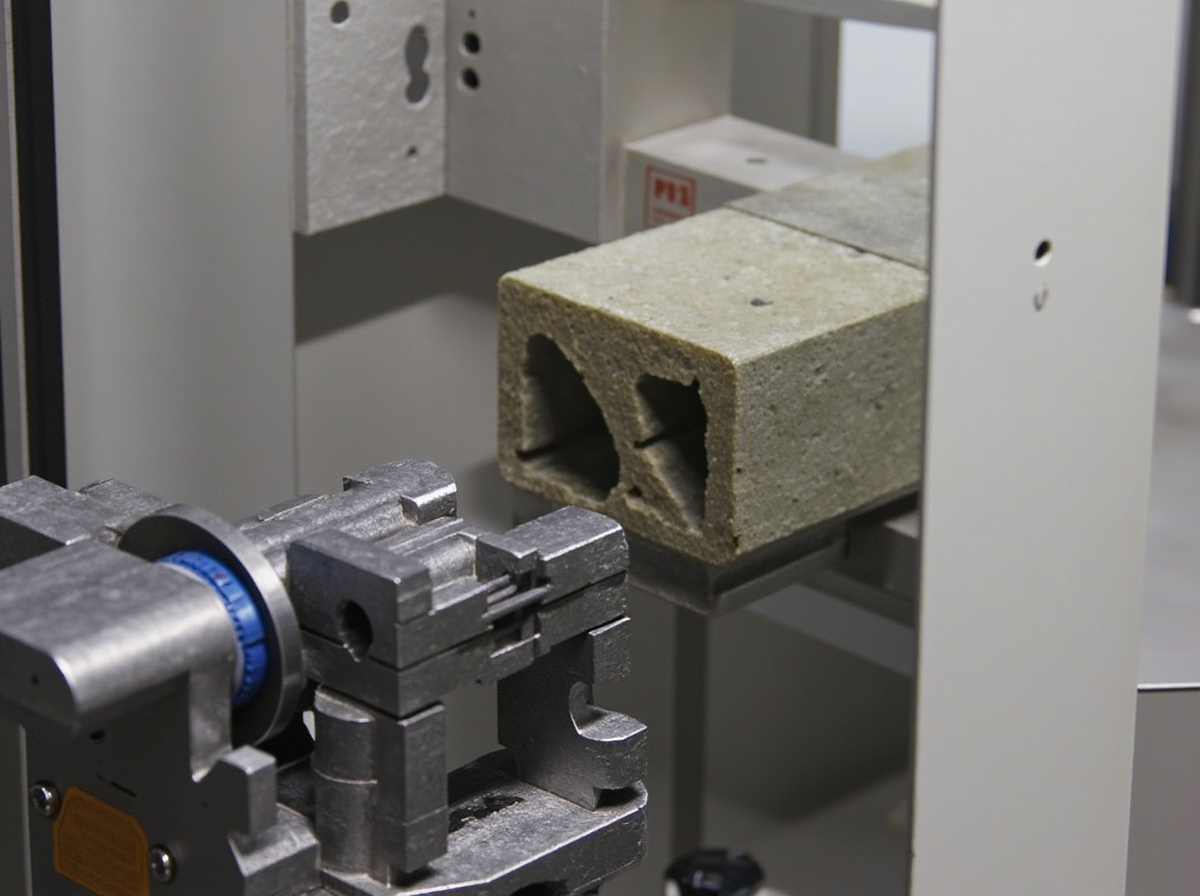
Aplicaciones industriales
| Área de aplicación | Uso específico | Requisitos de rendimiento | Ventajas del material |
|---|---|---|---|
| Fabricación | Producción de componentes | Alta resistencia, durabilidad | Rentable y fiable |
| Construcción | Elementos estructurales | Capacidad de carga | Larga vida útil |
| Electrónica | Componentes eléctricos | Conductividad, estabilidad | Coherencia del rendimiento |
| Automoción | Componentes de vehículos | Optimización del peso | Eficacia del combustible |
| Aeroespacial | Estructuras aeronáuticas | Elevada relación resistencia-peso | Seguridad crítica |
Procesos de fabricación
La fabricación basada en la relación entre tensión y deformación implica procesos especializados adaptados a las propiedades de los materiales y a los requisitos de la aplicación. Entre los métodos de fabricación más habituales se encuentran la fundición, la forja, el mecanizado y la fabricación aditiva, cada uno de los cuales ofrece ventajas específicas para determinadas geometrías de componentes y criterios de rendimiento.
Selección de materiales
La elección entre tensión y deformación para aplicaciones de ingeniería requiere evaluar múltiples criterios de rendimiento teniendo en cuenta las limitaciones de coste y la viabilidad de fabricación. Entre los aspectos clave a tener en cuenta se encuentran las propiedades mecánicas, la resistencia ambiental, las características de procesamiento y los costes del ciclo de vida.
Análisis de rendimiento frente a costes
La selección de materiales busca un equilibrio entre los requisitos de rendimiento y las limitaciones económicas. La relación entre tensión y deformación ofrece ventajas específicas en aplicaciones que requieren [característica de rendimiento], aunque otros materiales pueden proporcionar una mejor relación coste-rendimiento para aplicaciones menos exigentes.
Factores medioambientales y normativos
La normativa medioambiental y las consideraciones de sostenibilidad influyen cada vez más en la selección de materiales. Es necesario verificar el cumplimiento de las normas y reglamentos pertinentes en materia de tensión frente a deformación para aplicaciones específicas y mercados geográficos concretos.
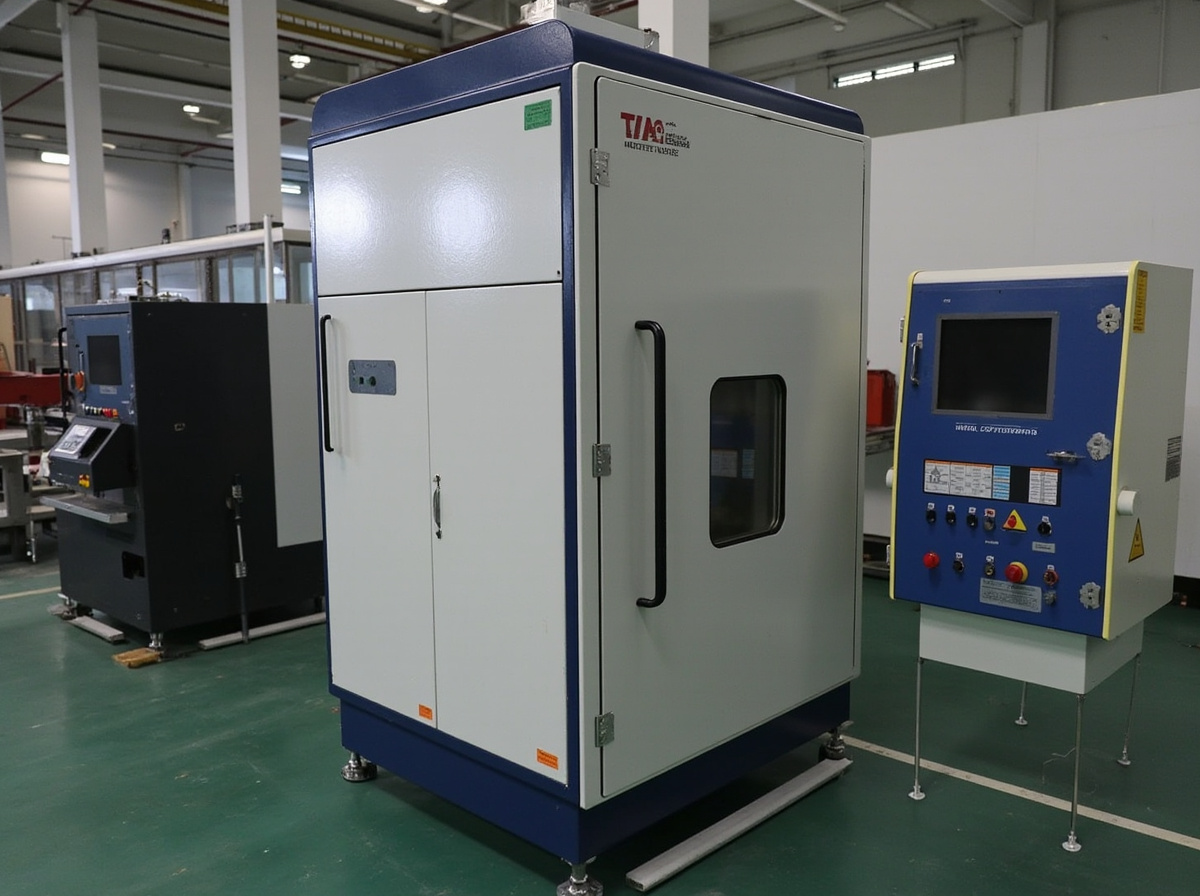
Evolución y tendencias futuras
Los avances en la tecnología de tensión frente a deformación siguen ampliando las posibilidades de aplicación, al tiempo que abordan las cuestiones relacionadas con la sostenibilidad. Entre las tendencias emergentes se incluyen una mayor eficiencia en los procesos, la mejora de las propiedades de los materiales mediante el desarrollo de aleaciones y una mayor atención a la reciclabilidad y a los principios de la economía circular.
Conclusión
La relación entre tensión y deformación constituye una categoría fundamental de materiales con diversas aplicaciones industriales que abarcan los sectores de la fabricación, la construcción, la electrónica, la automoción y el sector aeroespacial. Comprender sus propiedades fundamentales, sus características de procesamiento y las consideraciones específicas de cada aplicación permite a los ingenieros y a los profesionales de compras tomar decisiones fundamentadas a la hora de seleccionar materiales que equilibren los requisitos de rendimiento, coste y sostenibilidad.
PREGUNTAS FRECUENTES
¿Por qué es importante «Tensión frente a deformación: guía completa sobre la deformación de los materiales y los ensayos»?
«Esfuerzo frente a deformación: guía completa sobre la deformación de los materiales y los ensayos» es un tema importante porque permite traducir el comportamiento de los materiales en datos cuantificables que pueden orientar las decisiones de diseño, aprovisionamiento y producción.
¿Cómo se utiliza la guía «Estrés frente a deformación: guía completa sobre la deformación y ensayo de materiales» en la selección de materiales?
Los ingenieros utilizan los resultados para comparar los materiales candidatos, confirmar los márgenes de seguridad y evitar basarse únicamente en afirmaciones genéricas de las hojas de datos.
¿Qué factores pueden influir en los resultados de «Tensión frente a deformación: guía completa sobre la deformación de los materiales y los ensayos»?
La preparación de la muestra, el método de ensayo, la temperatura, la dirección de carga, el estado del material y la selección de la norma pueden afectar al resultado.
¿Qué error deben evitar los compradores al adquirir «Stress vs Strain: Guía completa sobre la deformación de los materiales y los ensayos»?
No compare valores a menos que se utilicen la misma norma, la misma condición de la muestra y el mismo entorno de ensayo.

