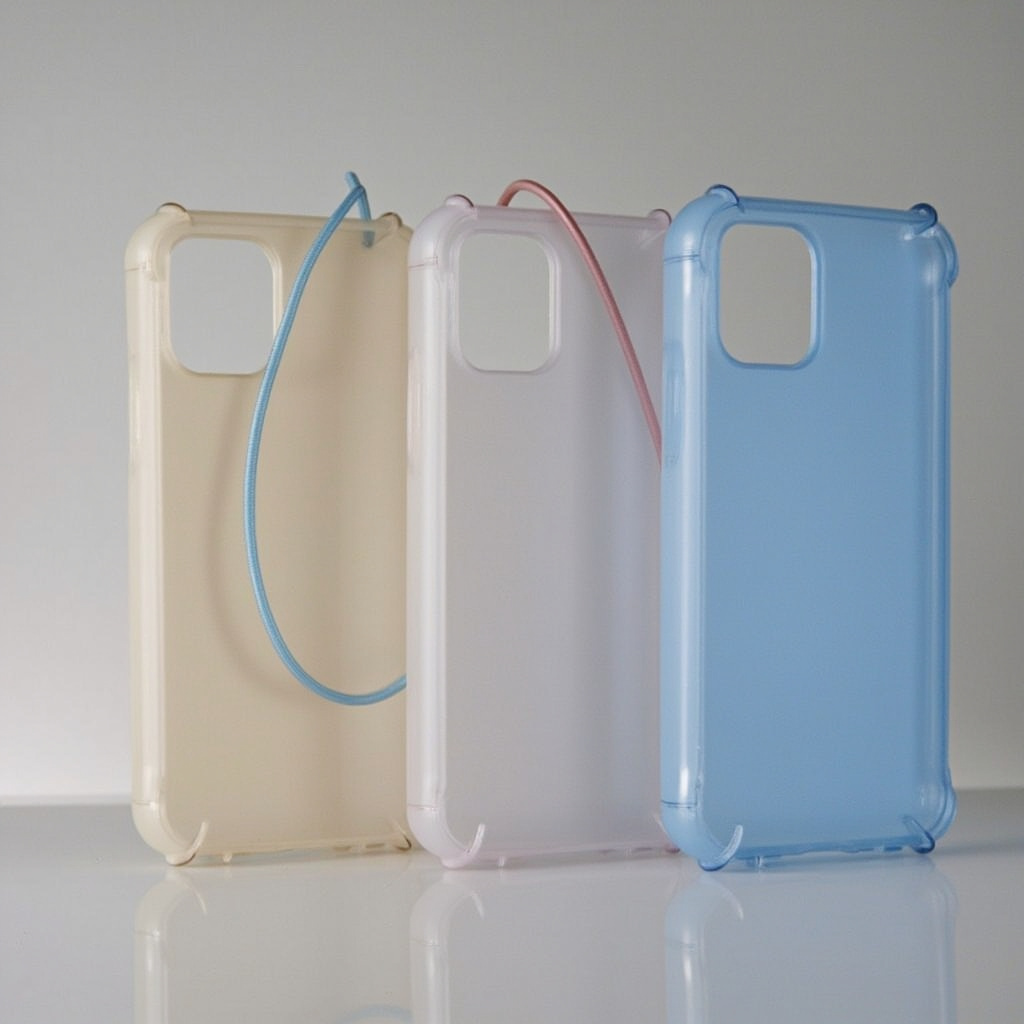
Thermoplastic polyurethane (TPU) occupies a unique position in the engineering materials landscape—rigid enough to be injection molded and CNC machined like a plastic, elastic enough to function as a rubber. This versatility makes TPU one of the fastest-growing elastomers in manufacturing, found in everything from smartphone cases to hydraulic seals.

What Is TPU?
TPU is a block copolymer consisting of alternating hard segments (derived from diisocyanates like MDI or TDI) and soft segments (polyesters or polyethers). The hard segments create physical crosslinks that give the material its shape and modulus at room temperature; the soft segments provide flexibility and elasticity.
Unlike vulcanized rubber, these crosslinks are physical—not chemical—meaning they are reversible when heated above the melting point of the hard segment. This allows TPU to be melt-processed like a thermoplastic: injection molded, extruded, or 3D printed, then reprocessed at end-of-life.
Propiedades clave del TPU
| Propiedad | Typical Range | Notas |
|---|---|---|
| Hardness (Shore A) | 60A-75D | Spans rubber to semi-rigid |
| Resistencia a la tracción | 20-55 MPa | Higher than most elastomers |
| Alargamiento a la rotura | 300-800% | Excellent flexibility |
| Resistencia a la abrasión | Excelente | Better than rubber, comparable to polyurethane |
| Resistencia al aceite | Bueno-Excelente | Polyester TPU better than polyether |
| Resistencia a los rayos UV | Poor to Moderate | UV stabilizers recommended for outdoor use |
Operating Te
 mperature |
-40 to +80 degrees C (continuous) | Short-term to 120 degrees C |
Types of TPU
Polyester TPU
The most common type. Polyester TPUs offer excellent oil and fuel resistance, good mechanical properties, and cost-effective pricing. They are the preferred choice for hydraulic seals, pneumatic tubing, and automotive applications where oil contact is expected.
Polyether TPU
Superior hydrolysis resistance and low-temperature flexibility compared to polyester types. Polyether TPUs m
aintain flexibility at temperatures as low as -60 degrees C. Preferred for medical devices, marine applications, and outdoor use where moisture exposure is a concern.
Polycaprolactone TPU
Premium performance with excellent mechanical properties and low temperature resistance. More expensive but used in demanding applications like ski boots, military equipment, and high-performance footwear.
TPU vs. Other Elastomers and Plastics
- vs. Silicone: TPU has better tensile strength and abrasion resistance. Silicone has superior temperature resistance and biocompatibility.
- vs. Rubber (EPDM, NBR): TPU is thermoplastic (reprocessable, faster processing) vs. thermoset rubber (vulcanization required). TPU has better oil resistance and transparency options.
- vs. TPV (Thermoplastic Vulcanizate): TPV offers better long-term seal performance and compression set resistance. TPU has better abrasion resistance and transparency.
- vs. Soft PVC: TPU is free of plasticizers (no leaching, no odor) and has better low-temperature performance. More expensive but superior for critical applications.
TPU in Manufacturing
CNC Machining TPU
TPU’s flexibility makes CNC machining challenging—parts deflect under cutting forces and grip poorly in chucks. Use sharp tools, slow feed rates, and flooded coolant. Wax-like lubricants reduce heat. We typically recommend molding TPU over machining for complex geometries.
Injection Molding TPU
TPU is injection moldable but requires specific processing knowledge: barrel temperature 190-230 degrees C, mold temperature 20-50 degrees C, and low injection speed to prevent flash. TPU’s high viscosity requires careful gate design. Short shots are common if venting is inadequate.
3D Printing TPU
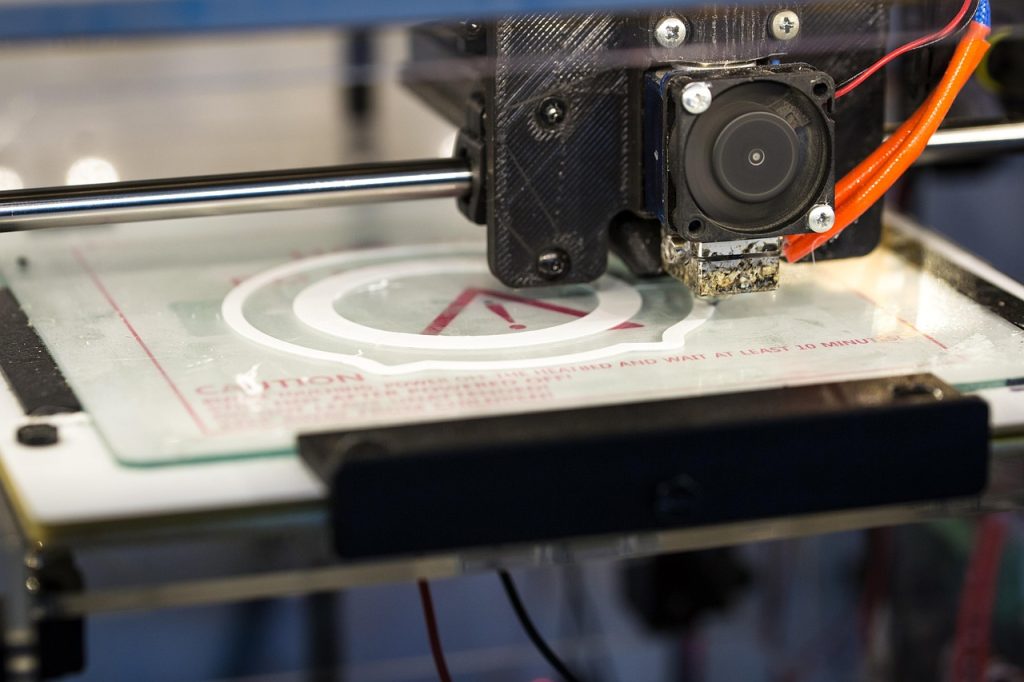
TPU filaments (Shore 95A-60D) print on standard FDM printers with heated beds at 220-260 degrees C. Flexibility makes bed adhesion challenging—use PEI sheets or adhesion promoters. Slow print speeds (20-40 mm/s) prevent nozzle clogging. TPU 95A is the most common and easiest to print.
Our TPU Manufacturing Services
We offer TPU parts via:
- Injection molding of TPU in prototype and short-run quantities (500-10,000+ pcs)
- TPU 3D printing via FDM for functional prototypes and custom parts
- CNC machining for simpler geometries where molding setup costs are not justified
PREGUNTAS FRECUENTES
When is TPU Material: Thermoplastic Polyurethane Properties and Applications a good option?
TPU Material: Thermoplastic Polyurethane Properties and Applications is a good option when fast iteration, complex geometry, low tooling cost, or low-volume production is more important than molded-part unit cost.
What should be checked before choosing TPU Material: Thermoplastic Polyurethane Properties and Applications?
Compruebe el tamaño de la pieza, las propiedades del material, el acabado superficial, la tolerancia dimensional, la exposición al calor, la dirección de la carga y si es necesario un tratamiento posterior.
How does TPU Material: Thermoplastic Polyurethane Properties and Applications compare with CNC machining?
La impresión 3D puede crear formas complejas con rapidez, mientras que el mecanizado CNC suele ser más potente para superficies precisas, tolerancias más ajustadas y materiales de calidad de producción.
What affects the cost of TPU Material: Thermoplastic Polyurethane Properties and Applications?
El coste depende del material, el volumen de fabricación, el tiempo de impresión, la altura de capa, la eliminación de soportes, el acabado, la inspección y el número de piezas de la fabricación.