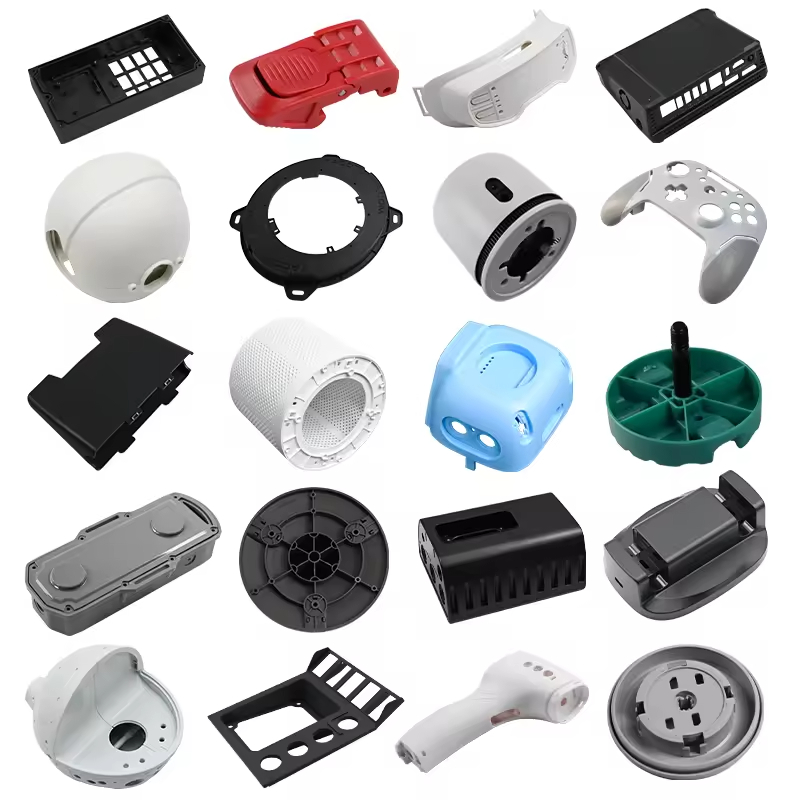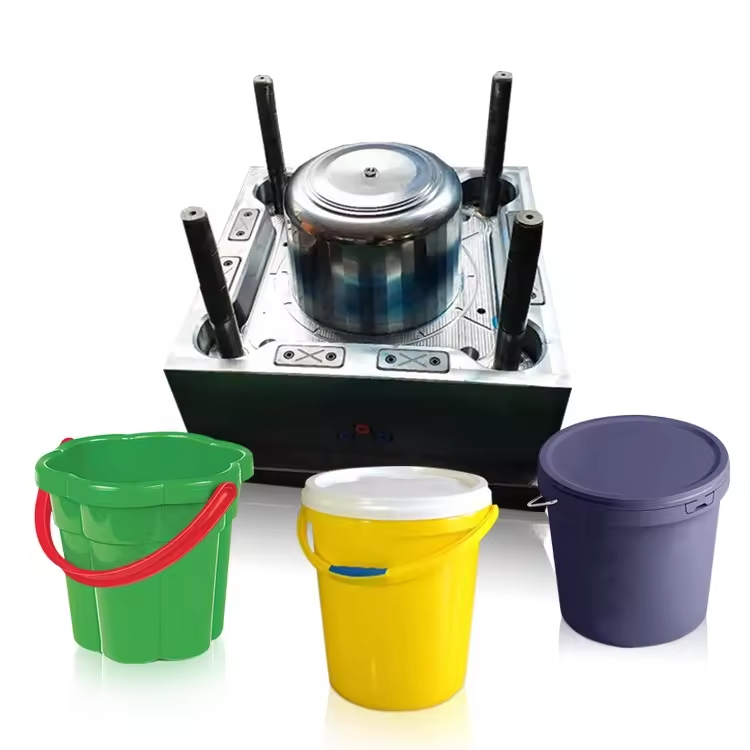
El sistema de canales —los conductos que transportan el plástico fundido desde la unidad de inyección hasta las cavidades del molde— influye de manera fundamental en la rentabilidad de la producción y en la calidad de las piezas. En el moldeo de nailon, la elección entre un sistema de canal caliente y uno de canal frío requiere un análisis minucioso de los costes de material, el volumen de producción, los requisitos de las piezas y la inversión inicial en utillaje.
Comprender los sistemas de corredores
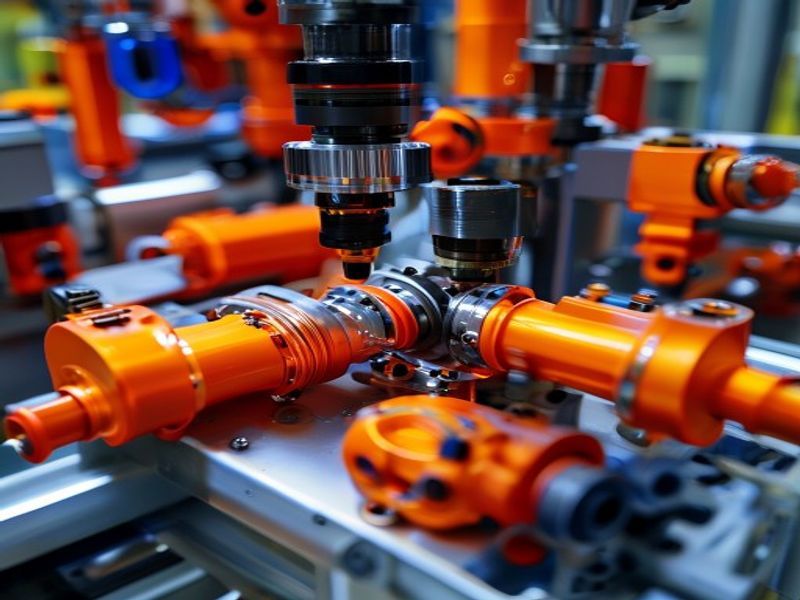
Sistemas de canales fríos
En los moldes de canal frío, los canales forman parte de la cavidad del molde. El material de los canales se solidifica en cada ciclo y se expulsa junto con las piezas. Este material de los canales debe triturarse y volver a procesarse —o desecharse—, lo que aumenta los costes y la complejidad. En el caso del nailon, los canales fríos funcionan bien para la producción de bajos volúmenes y cuando los cambios de color son frecuentes.
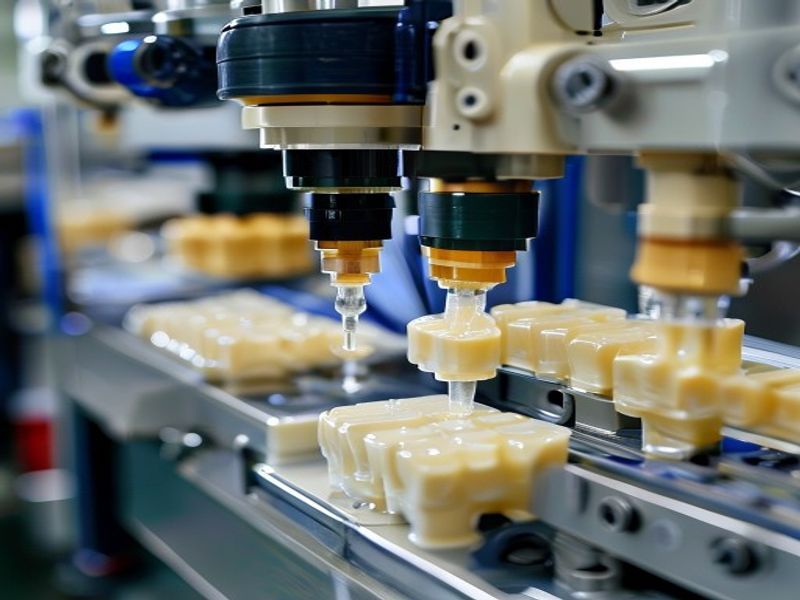
Sistemas de canal caliente
Los sistemas de canal caliente mantienen el material del canal a temperatura de fusión entre ciclos. Solo se solidifica el material que entra en las cavidades, lo que elimina el desperdicio del canal. Esto supone un ahorro significativo de material en la producción a gran escala y permite reducir los tiempos de ciclo, ya que no es necesario enfriar los canales.
Comparación de aplicaciones del nailon
| Factor | Canal frío | Canal caliente |
|---|---|---|
| Desperdicio de material | Restos de la pieza 15-40% | Mínimo (solo puertas) |
| Coste de los utillajes | Baja | Alza (+30-50%) |
| Tiempo de ciclo | Más largo | Posición corta (10-20%) |
| Cambios de color | Fácil | Difícil, requiere mucho tiempo |
| Mantenimiento | Sencillo | Es complejo, requiere conocimientos especializados |
| Ideal para | Volumen bajo-medio, multicolor | Gran volumen, un solo color |
Consideraciones específicas sobre el nailon
Sensibilidad térmica
El nailon es sensible a la exposición prolongada al calor. En los sistemas de canal caliente, es necesario controlar cuidadosamente el tiempo de permanencia del material en el colector para evitar su degradación. Es fundamental gestionar adecuadamente la temperatura y calcular correctamente el tiempo de permanencia.
Contenido de humedad
Es fundamental que el nailon esté correctamente secado para su procesamiento en sistemas de canal caliente. Cualquier resto de humedad en el material provoca la expansión de las piezas y puede dar lugar a la degradación del sistema de canal caliente. Asegúrate de que el material se haya secado hasta alcanzar un contenido de humedad inferior a 0,2% antes de su procesamiento.
Grados con relleno de vidrio
Los nailon reforzados con fibra de vidrio son abrasivos y pueden provocar desgaste en los componentes del canal caliente, especialmente en las entradas y las boquillas. Para materiales rellenos, elija sistemas de canal caliente con componentes endurecidos o revestidos de carburo.
Ejemplo de análisis de costes
Consideremos una pieza de nailon de 50 gramos con un canal de inyección de 30 gramos (índice de desperdicio de 37,51 TP3T) y un coste del material de 1 TP4T3,50/kg. Coste del material del canal de inyección en frío por inyección: 1 TP4T0,28. Coste del material del canal caliente por inyección: $0,175. Ahorro por inyección: $0,105. A 100 000 ciclos: $10 500 de ahorro en material. Sobreprecio del utillaje de canal caliente: $15 000-25 000. Umbral de rentabilidad: 150 000-250 000 ciclos. Para volúmenes de producción superiores a 250 000 piezas, los sistemas de canal caliente suelen ofrecer un mejor coste total de propiedad.
PREGUNTAS FRECUENTES
¿En qué casos es más adecuado utilizar sistemas de canal caliente frente a sistemas de canal frío para el moldeo de nailon?
La elección entre sistemas de canal caliente y canal frío para el moldeo de nailon resulta adecuada cuando el volumen de la pieza, la elección del material, la geometría y los requisitos de repetibilidad justifican la inversión en el diseño del molde y el utillaje.
¿Qué factores de diseño son los más importantes a la hora de elegir entre sistemas de canal caliente y de canal frío para el moldeo de nailon?
El espesor de las paredes, las nervaduras, las salientes, el ángulo de desmoldeo, la ubicación de la entrada de material, la contracción, la línea de separación y la expulsión influyen en la calidad de la pieza moldeada.
¿Qué información se necesita antes de la fabricación del molde?
El proveedor deberá confirmar el modelo 3D, el material, el volumen anual previsto, los requisitos de aspecto, las tolerancias requeridas y cualquier requisito relativo al montaje o a las pruebas funcionales.
¿Cuál es el mayor riesgo entre los sistemas de canal caliente y los de canal frío para el moldeo de nailon?
El mayor riesgo es aprobar el utillaje antes de haber comprobado exhaustivamente el comportamiento del material, la contracción, el flujo y el funcionamiento de la pieza en relación con la aplicación real.