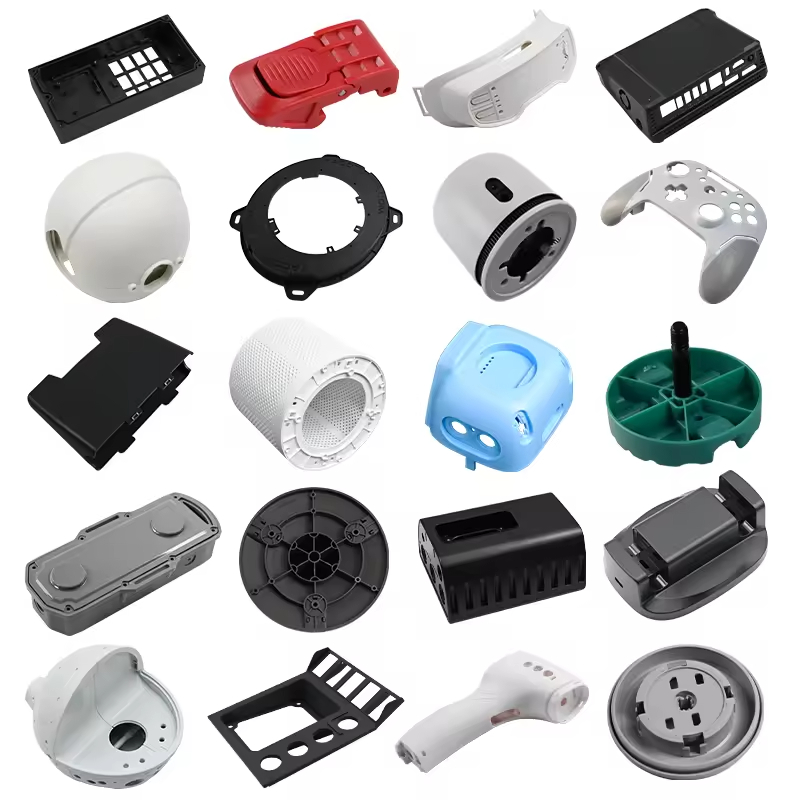
Moldeo de componentes electrónicos depende de los requisitos de precisión, resistencia al calor, resistencia a las llamas y fiabilidad, más que del mero precio de la resina. Los compradores deben sopesar la estabilidad del ajuste, el aislamiento, el comportamiento ESD, los detalles de los conectores y las expectativas de cumplimiento normativo antes de que comience la fabricación de los moldes.
En el caso de los aparatos electrónicos que también se utilicen en exteriores o que entren en contacto con productos químicos de limpieza, consulta Nailon estabilizado frente a los rayos UV, absorción de humedad del nailon, y el Tabla de compatibilidad química del nailon antes de que la resina se endurezca.
Una resina o una estrategia de moldeo inadecuadas pueden provocar deformaciones, clips frágiles, un mal ajuste de los conectores o problemas térmicos mucho tiempo después de que las muestras parezcan aceptables. Nylon Plastic puede analizar el entorno eléctrico y el funcionamiento de la pieza antes de que se confirme el material.
De un vistazo
| Requisito | Qué hay que comprobar | Nota para el comprador |
|---|---|---|
| Resistencia al calor | Temperatura de funcionamiento continuo y puntos calientes locales | Las olas de calor y el calor prolongado no son lo mismo |
| Comportamiento frente al fuego | Contexto relativo a la clase de resistencia al fuego y al espesor de la pared requeridos | No especifiques resina ignífuga si no existe una necesidad real. |
| Precisión dimensional | Ajuste del conector, geometría del cierre y movimiento tras el moldeo | Pequeños errores de ajuste pueden afectar al rendimiento del montaje |
| Comportamiento eléctrico | Aislamiento, antiestático o ESD: requisitos | Selecciona la propiedad que requiera el dispositivo en cuestión |
| Aspecto y sellado | Interfaces estéticas, de encaje a presión y de junta | La geometría de la carcasa debe revisarse junto con su función |
Cómo elegir la resina adecuada para el moldeo de componentes electrónicos
Entre las opciones más habituales se encuentran el nailon, el PBT, PC, PC/ABS y mezclas ignífugas. El nailon puede ser una buena opción para conectores y piezas estructurales internas, pero hay que controlar cuidadosamente su comportamiento frente a la humedad. El PBT se suele elegir para conectores eléctricos debido a su estabilidad dimensional y sus prestaciones eléctricas. El PC y el PC/ABS son habituales en carcasas en las que la apariencia y la resistencia al impacto son importantes.
La elección del material más adecuado depende del entorno de uso del dispositivo, la precisión del conector, el espesor de la pared y de si realmente se requiere resistencia al fuego o protección contra descargas electrostáticas (ESD).
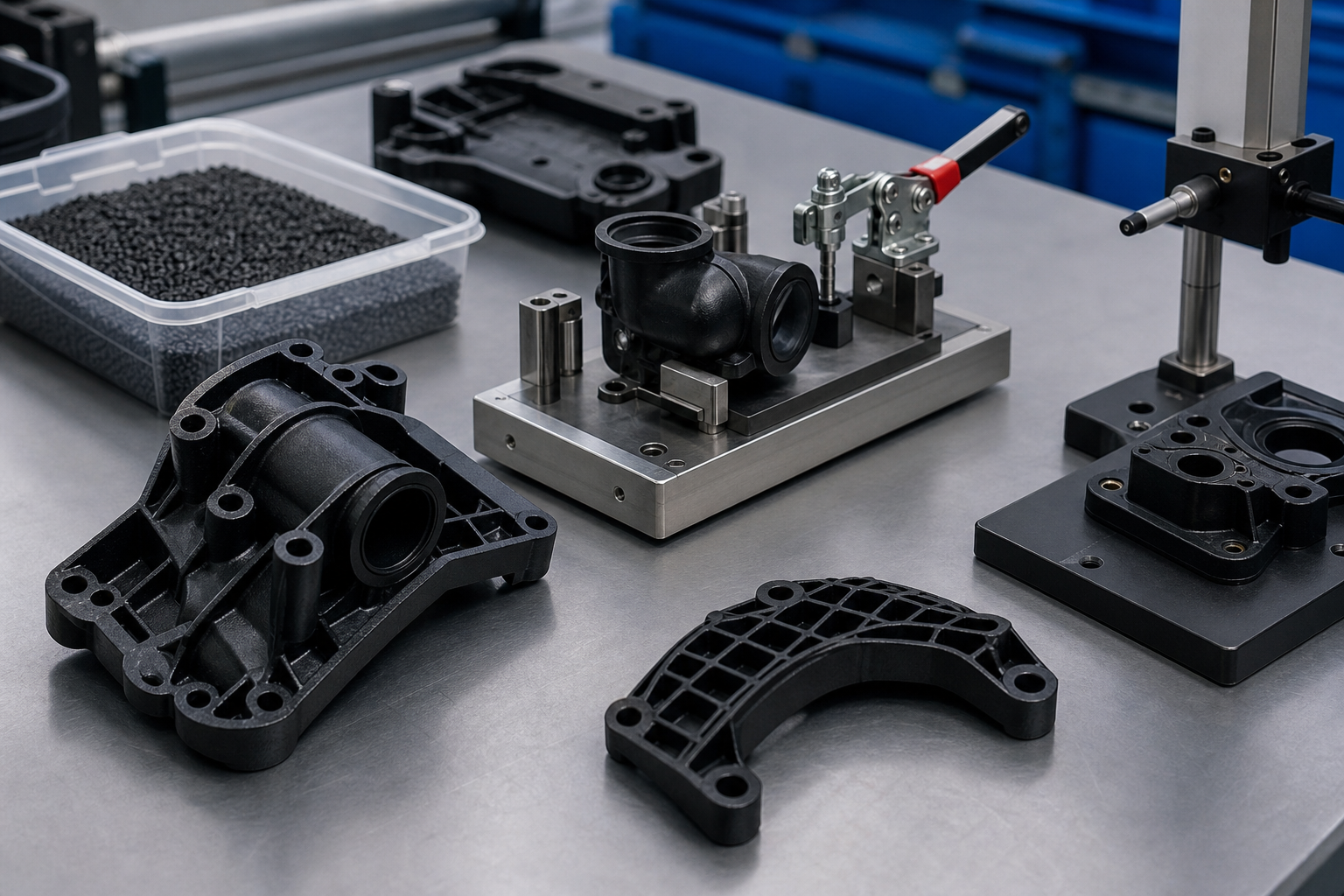
Para ver las opciones de conectores y componentes eléctricos, compara nailon y PBT que cumplan los mismos requisitos en cuanto a humedad, calor y dimensiones.
Comprobaciones importantes antes de la fabricación de utillaje
- Define la carga térmica real: No es solo una temperatura nominal.
- Aclara si se requiere protección contra descargas electrostáticas (ESD) o propiedades aislantes: Se trata de rutas de materiales diferentes.
- Revisar las tolerancias de los conectores y características del cierre: Pequeños cambios en el moldeado pueden paralizar el montaje.
- Adapta los requisitos de llama al espesor de la pared: Los resultados de las pruebas con resina dependen de las condiciones de ensayo.
- Prever la contracción y el movimiento posterior al moldeo: Los componentes electrónicos de precisión requieren unas condiciones de inspección estables.
Problemas habituales en el moldeado de componentes electrónicos y sus soluciones
| Problema | Causa probable | Corregir |
|---|---|---|
| Fallo en el acoplamiento del conector | Deformación o variación de la tolerancia tras el moldeo | Revisar la elección de la resina, la disposición de las entradas de fundición y el estado de la inspección |
| Características de la rotura frágil | Material inadecuado o exceso de relleno | Vuelve a comprobar la geometría del clip y su comportamiento ante impactos |
| Deformación de la carcasa cerca de una fuente de calor | Se ha subestimado la demanda térmica | Utiliza una resina más resistente al calor y comprueba el diseño de las paredes |
| Problemas funcionales relacionados con la electricidad estática | No se definió desde el principio el requisito relativo a las propiedades eléctricas | Aclara los requisitos en materia de ESD, antiestática o aislamiento antes de elaborar el presupuesto |
Moldeado de componentes electrónicos frente a carcasas de plástico generales
Los componentes electrónicos suelen requerir un mayor control sobre el ajuste, el comportamiento térmico y las propiedades eléctricas que las carcasas de uso general. Un proveedor que se limite a tratar el componente como una carcasa genérica puede pasar por alto los riesgos reales de diseño hasta una fase avanzada del proyecto.
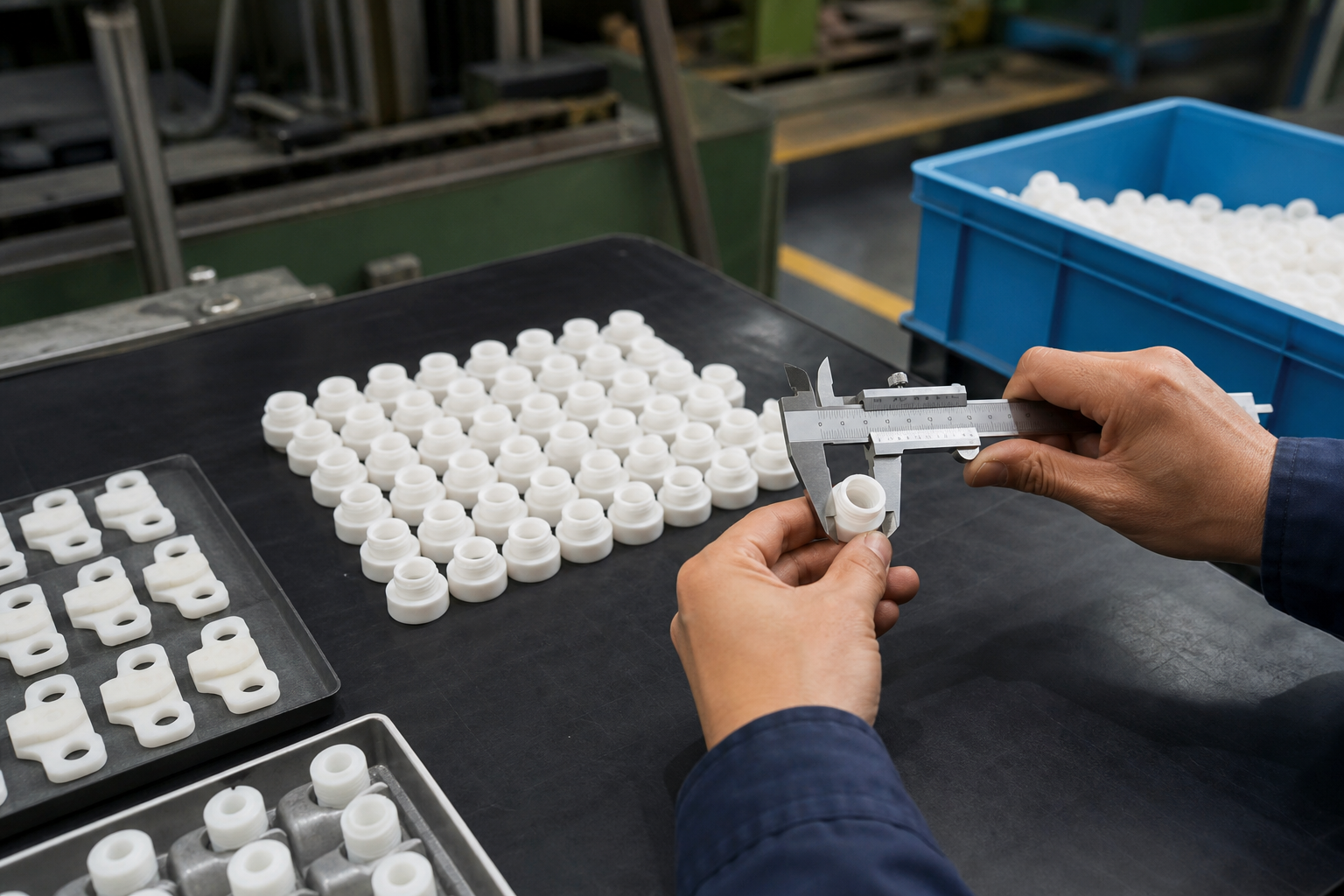
Consulta el Ámbito de aplicación de las piezas de plástico moldeadas a medida a la hora de preparar el plano, las herramientas, los prototipos y los requisitos de producción.
Lecturas relacionadas
Preguntas frecuentes
¿Qué es el moldeado de componentes electrónicos?
Se trata del moldeo de piezas de plástico que se utilizan en productos eléctricos y electrónicos, como carcasas, conectores, clips y componentes estructurales internos.
¿Qué materiales se utilizan habitualmente en el moldeo de componentes electrónicos?
Entre los materiales más habituales se encuentran el nailon, el PBT, el PC, el PC-ABS y los plásticos técnicos ignífugos.
¿Cuándo es el nailon una buena opción para los componentes electrónicos?
El nailon puede ser una buena opción para conectores y piezas estructurales siempre que se tengan debidamente en cuenta los efectos de la humedad y el control dimensional.
¿Es necesario que todos los componentes electrónicos estén fabricados con resina ignífuga?
No. La resina ignífuga solo debe especificarse cuando los requisitos del producto lo exijan realmente.
¿Qué datos debo enviar para solicitar un presupuesto de moldeo de componentes electrónicos?
Envíe el plano, la temperatura de funcionamiento, los requisitos eléctricos, el volumen anual y las dimensiones críticas de ajuste.
Comparar Comparación entre el nailon y el policarbonato incluidas recomendaciones sobre resistencia, temperatura, coste y aplicaciones.
Solicitar una revisión de piezas plásticas para productos electrónicos
Para el moldeo de componentes electrónicos, como carcasas, cuerpos de conectores, clips o soportes internos, facilítenos el plano y las especificaciones del dispositivo. Nylon Plastic puede evaluar la resina, el utillaje, el ajuste, los requisitos de superficie y las muestras del componente real.
Qué hay que incluir y acordar antes de elaborar el presupuesto
- Indique el CAD, la revisión, la cota exacta o la alternativa permitida, la cantidad inicial y anual, el destino y el plazo previsto.
- Especificar el ajuste de los conectores y los cierres, los salientes para tornillos, los insertos, las interfaces de las juntas y las zonas estéticas. Indicar los puntos críticos locales, la temperatura de servicio continuo, la humedad y los productos de limpieza.
- Defina por separado las prestaciones de aislamiento y de protección contra descargas electrostáticas (ESD), indicando el método de ensayo y los límites. Haga coincidir la clasificación de resistencia al fuego requerida y la documentación correspondiente con el grado, el color y el espesor exactos.
- Especifica el ajuste de las muestras, su aspecto, los informes dimensionales y cualquier prueba funcional o de la carcasa, incluyendo quién aprueba cada resultado.
Acordar que la documentación sobre la resina, las herramientas, las piezas moldeadas, la instalación de insertos, el acabado, el montaje y las pruebas constituyan partidas de presupuesto independientes. La documentación sobre los materiales no certifica que un dispositivo esté completo ni que su carcasa sea adecuada; la homologación debe ajustarse a los requisitos acordados para los componentes y el producto.