Industry-Specific Es un tema práctico de ingeniería cuando hay que comparar opciones, comprobar los límites y elegir un proceso que presente menos riesgos.
Requisitos específicos del sector en materia de moldes para aplicaciones de nailon varían en función del comportamiento de la resina, los requisitos de tolerancia, los objetivos de durabilidad y las condiciones de uso final.
Un molde diseñado para componentes del compartimento del motor de los vehículos se diferencia considerablemente de uno fabricado para carcasas de dispositivos médicos. Aunque los principios básicos del moldeo por inyección siguen siendo los mismos, cada sector impone requisitos específicos en cuanto al diseño del molde, la selección de materiales, los sistemas de calidad y la documentación.
Requisitos del sector de la automoción

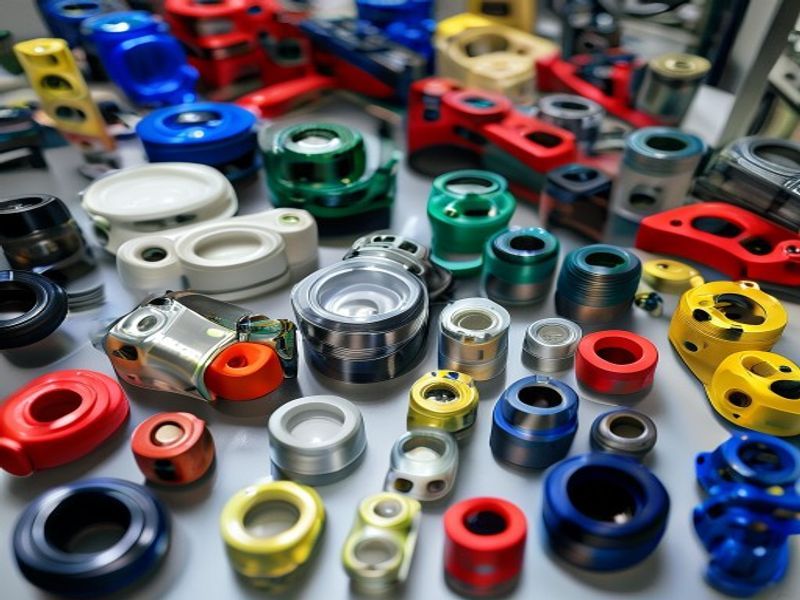
Los moldes para la industria de la automoción requieren una construcción robusta para un elevado número de cavidades y largas series de producción. Los moldes multicavidad (de 4 a 32 cavidades) con sistemas de canal caliente maximizan el rendimiento. La selección del acero suele recaer en aceros para herramientas endurecidos (H13, S7) para garantizar la resistencia a la abrasión con nailon reforzado con fibra de vidrio. El control estadístico de procesos (SPC) y la documentación PPAP son obligatorios.
Requisitos para los productos sanitarios
Requisitos del sector de la electrónica
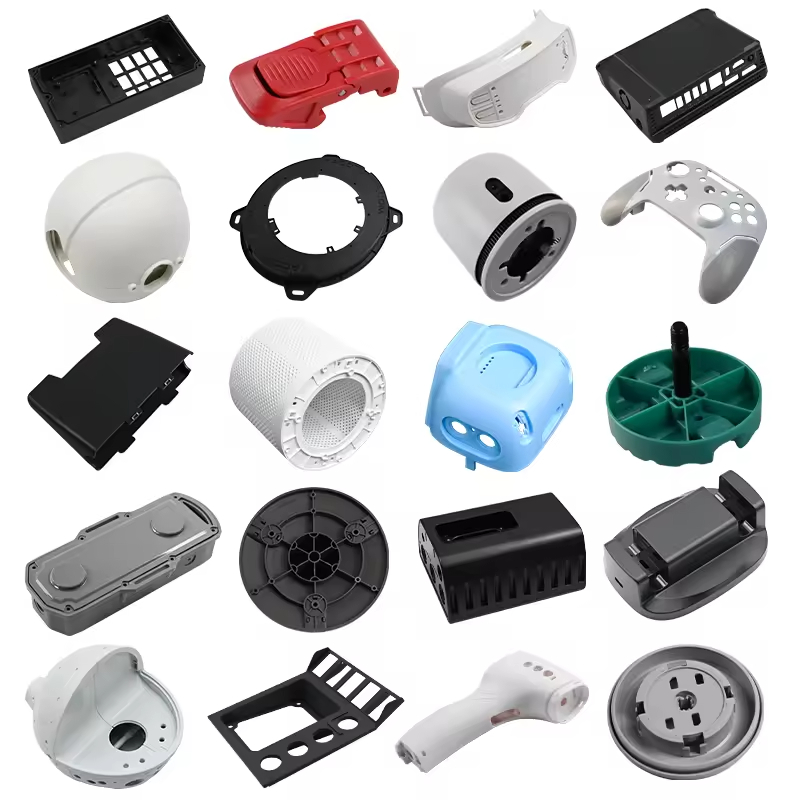
Los moldes para productos electrónicos suelen incorporar detalles complejos para cierres a presión, clips y elementos de fijación. Las tolerancias son muy ajustadas para garantizar un encaje adecuado con los componentes electrónicos. Cuando se utilicen nailon ignífugos o conductores, hay que tener en cuenta la abrasividad del material y seleccionar los materiales del molde en consecuencia. Los requisitos de acabado superficial varían: los acabados texturizados pueden ocultar arañazos, mientras que las superficies pulidas mejoran la adherencia del recubrimiento contra las interferencias electromagnéticas (EMI).
Requisitos para los productos de consumo
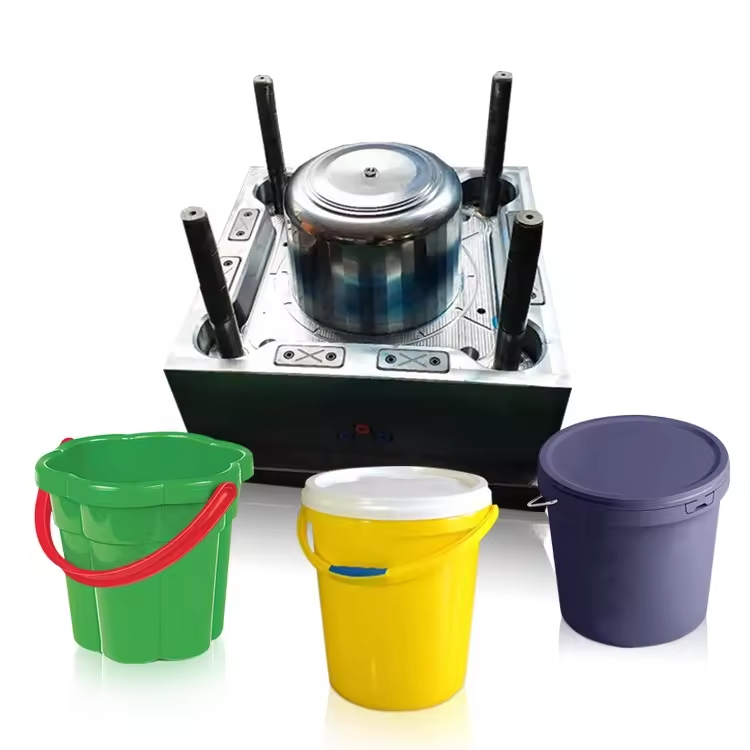
Los moldes para productos de consumo deben encontrar el equilibrio entre el coste y las prestaciones. Los moldes familiares, que producen varias piezas en una sola inyección, reducen la inversión en utillaje. Los acabados superficiales van desde el pulido de alto brillo hasta texturas personalizadas, lo que requiere ángulos de desmoldeo adecuados y un diseño de expulsión adecuado. Los cambios de color pueden ser frecuentes, lo que influye en la selección del sistema de canales.
| Requisito | Automoción | Médico | Electrónica | Consumidor |
|---|---|---|---|---|
| Volumen habitual | Entre 100 000 y más de 1 millón | 10 000-500 000 | 50 000-2 millones | 25 000-500 000 |
| Objetivo de vida útil del molde | Más de 1 millón de ciclos | 500 000 ciclos | 500 000-1 millón | 250 000-500 000 |
| Documentación | Nivel 3-5 del PPAP | DHR completo, validación | PPAP, ensayos de UL | Registros básicos de calidad |
PREGUNTAS FRECUENTES

¿En qué casos tiene sentido aplicar requisitos específicos del sector en materia de moldes para aplicaciones de nailon?
Los requisitos específicos del sector en materia de moldes para aplicaciones de nailon resultan razonables cuando el volumen de piezas, la elección del material, la geometría y las necesidades de repetibilidad justifican la inversión en el diseño del molde y el utillaje.
¿Qué factores de diseño son los más importantes a la hora de establecer los requisitos específicos de los moldes para aplicaciones de nailon?
El espesor de las paredes, las nervaduras, las salientes, el ángulo de desmoldeo, la ubicación de la entrada de material, la contracción, la línea de separación y la expulsión influyen en la calidad de la pieza moldeada.
¿Qué información se necesita antes de la fabricación del molde?
El proveedor deberá confirmar el modelo 3D, el material, el volumen anual previsto, los requisitos de aspecto, las tolerancias requeridas y cualquier requisito relativo al montaje o a las pruebas funcionales.
¿Cuál es el mayor riesgo que plantean los requisitos específicos del sector en materia de moldes para aplicaciones de nailon?
El mayor riesgo es aprobar el utillaje antes de haber comprobado exhaustivamente el comportamiento del material, la contracción, el flujo y el funcionamiento de la pieza en relación con la aplicación real.